Discovering a wasp nest near your home can be unsettling, especially when wasps are flying around your front door, patio, balcony, or garden. A nest close to a frequently used area can make outdoor activities uncomfortable and increase the chance of accidental encounters.
If you are searching for wasp nest removal in Toronto, the first step is to understand where the nest is located, how active the wasps appear to be, and whether the area presents a risk to people or pets.
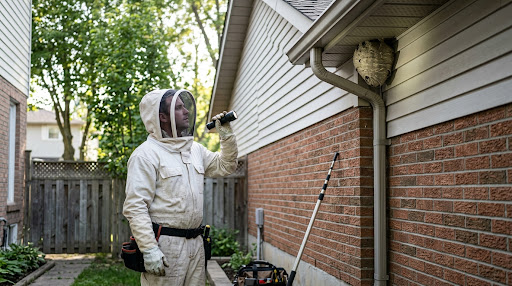
Wasps can build nests beneath roof eaves, inside sheds, in trees, under decks, and in concealed spaces. Some species also nest underground or inside structural cavities. Because appearances and nesting habits vary, identifying the insect and the nest location helps determine the appropriate response.
This guide explains how to recognize wasp activity, prevent wasps from becoming a recurring problem, and decide when to contact a professional wasp exterminator in Toronto or the surrounding Greater Toronto Area.
How to Recognize a Wasp Nest
Wasps do not always build their nests in obvious locations. Depending on the species, a nest may have a visible, paper-like exterior or remain hidden inside a cavity.
Common signs of a possible nest include:
- Wasps repeatedly fly toward the same opening in a wall, roof, shed, or deck.
- Increased wasp activity beneath roof edges or around exterior structures.
- A paper-like nest attached to a tree branch, eave, or other sheltered surface.
- Repeated wasp sightings near the same ground-level opening.
- Buzzing or movement around a concealed entrance.
A few wasps flying through a garden do not necessarily mean a nest is nearby. They may simply be searching for food or visiting flowers. Repeated movement to and from the same location is a more useful clue.
Health Canada’s guide to wasps and wasp control explains that social wasps can build both exposed and concealed nests. Avoid approaching or disturbing a suspected nest to investigate it.
How Can You Get Rid of Wasps?
If you are asking how to get rid of wasps, begin by reducing the conditions that attract them and keeping people away from any suspected nest.
1. Remove Food Sources
Wasps may visit outdoor eating areas because they are attracted to sweet foods, uncovered drinks, and other food sources. Some species also search for protein-rich food to feed their developing larvae.
Keep food covered during outdoor meals, clean up spills promptly, and dispose of leftovers securely. Avoid leaving pet food outside for extended periods.
These precautions can make your outdoor space less attractive to foraging wasps, although they will not eliminate an established colony.
2. Keep Garbage Secure
Open rubbish bins and discarded food can attract wasps. Use tightly closed garbage containers and clean up food residue around outdoor bins when it is safe to do so.
Pay particular attention to areas near patios, decks, outdoor kitchens, and entrances where people frequently eat.
3. Avoid Disturbing a Nest
Do not hit, shake, burn, flood, or attempt to dismantle a nest. Avoid blocking a suspected entrance to a nest inside a wall or another cavity, as this may cause wasps to find a different route into the structure.
Do not climb a ladder to reach a nest or attempt to treat a concealed colony without the appropriate expertise and equipment.
Wasps can respond defensively when a colony is disturbed, and some species can sting repeatedly. If a nest is close to a doorway, children’s play area, or another busy location, keep your distance and seek professional advice.
4. Arrange an Assessment When Necessary
If wasps are repeatedly entering the same opening, the nest is difficult to reach, or activity is near people and pets, professional assessment can help establish the appropriate control method.
A trained pest management professional can evaluate the nest location, the level of activity, and the safest way to manage the problem.
When Should You Call a Wasp Exterminator?
Not every wasp sighting requires treatment. However, a confirmed nest in a high-traffic location may need prompt attention.
Consider professional wasp pest control in the following situations.
The nest is near an entrance. Wasps nesting around doors, windows, balconies, or frequently used paths can create repeated encounters.
The nest is concealed. Colonies inside walls, roofs, sheds, or other enclosed spaces can be difficult to assess and treat without specialized knowledge.
The nest is difficult to reach. High rooflines, trees, and other elevated locations can make removal dangerous.
Wasp activity is increasing. Repeated traffic to and from the same location may indicate an established nest.
Someone is particularly vulnerable to stings. If a person has a known severe allergy to insect stings, avoid disturbing the area and seek appropriate professional help.
A professional inspection can also help distinguish a wasp nest from other insect activity, preventing unnecessary treatment when identification is uncertain.
What Does Professional Wasp Nest Removal Involve?
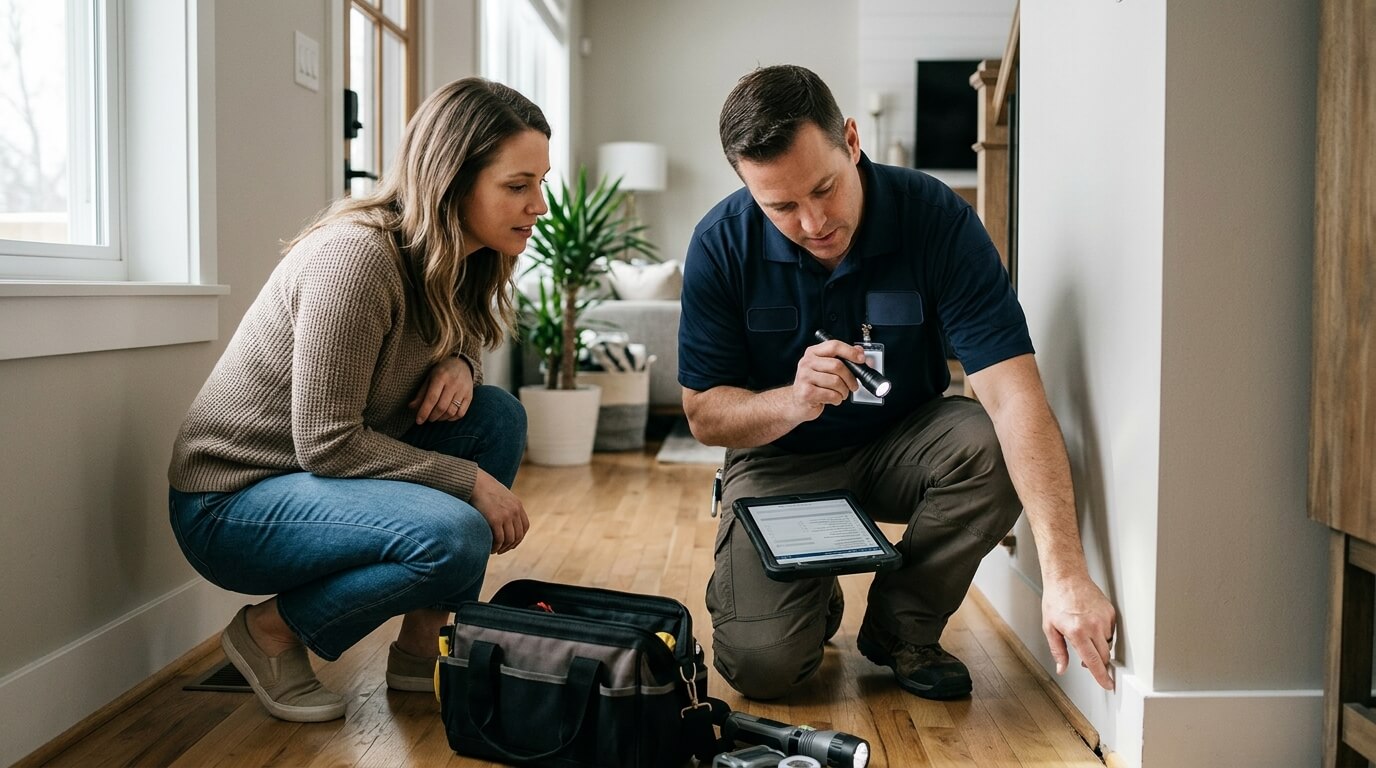
Professional wasp removal begins with an assessment rather than immediately disturbing the nest.
Step 1: Inspect the Activity
The technician assesses where wasps are entering and leaving, the accessibility of the site, and whether the nest is attached to a visible surface or hidden in a structure.
This information helps determine the appropriate control plan.
Step 2: Select an Appropriate Treatment
Different nest locations and wasp species may require different control approaches. A method suitable for a visible outdoor nest may not be appropriate for a nest inside a wall cavity.
Any pesticide used must be authorized for the intended purpose and applied according to its label and applicable requirements.
Step 3: Address the Nest and Remaining Activity
The next steps depend on the treatment used and the condition of the nest. The objective is to manage the colony safely and assess whether wasp activity continues.
Do not assume a nest is inactive simply because fewer wasps are visible immediately after treatment. Follow the technician’s instructions about monitoring and any subsequent work.
Step 4: Discuss Prevention
Once the immediate issue is addressed, the technician may recommend improving maintenance around roof edges, sealing suitable gaps after confirming the nest is inactive, and reducing conditions that attract wasps.
Prevention is especially helpful when wasps repeatedly establish nests around the same property.
Wasp Nest Disposal: Can You Remove an Old Nest?
Wasp nest disposal depends on whether the nest is still active and where it is located.
An abandoned nest may present a lower risk than an active colony, but visual appearance alone does not reliably confirm that all activity has stopped. Hidden entrances and concealed nests can make assessment more difficult.
Health Canada notes that inactive nests may be left until later in the year when they no longer present a health hazard. Its guidance also warns that removing an active nest can be dangerous and recommends professional help.
For this reason, avoid handling a nest simply because it looks deserted. If it is attached to your home or situated near a frequently used area, obtain advice about whether removal is necessary.
Avoid sealing a nest entrance or disturbing the surrounding structure until the colony’s status has been assessed. This is particularly important when wasps may be nesting inside wall or roof cavities.
How to Prevent Future Wasp Nests
Preventive maintenance can reduce opportunities for wasps to establish nests close to your property.
Inspect Exterior Areas
Check roof edges, sheds, eaves, decks, and other sheltered areas periodically during the warmer months. Look for early nest-building activity without touching or approaching a suspected nest.
Seal Suitable Gaps
Repair damaged screens and exterior gaps that may provide access to sheltered cavities. Before sealing any opening associated with wasp activity, confirm that a colony is no longer present and that the repair will not trap insects inside the building.
Keep Outdoor Areas Clean
Secure rubbish, remove food residue, and store food in sealed containers. These steps reduce the availability of resources that attract foraging wasps.
Maintain Outdoor Structures
Repair damaged panels and maintain sheds, fencing, and other structures where insects might find sheltered nesting locations.
These precautions will not prevent every nest, but they can make your property less attractive and help you notice early activity.
Wasp Nest Removal in Toronto and the GTA
When an active nest is located close to a home or business, the safest next step depends on its location, the wasp species, and the potential risk to occupants.
Ultimate Pest Solutions provides pest control services in Toronto and identifies wasps among the pests it handles. Residents can visit the Toronto pest control service page to explore service information.
When contacting a pest control company, explain where you have seen wasps, whether they are entering a particular opening, and whether the nest is near a door, balcony, or other frequently used space. Photographs taken from a safe distance may also help with an initial discussion, provided you do not approach the nest to obtain them.
To discuss your pest concerns, visit the Ultimate Pest Solutions contact page or call +1 (437) 882-4242.
Conclusion
Wasp nest removal requires more than simply getting rid of a visible nest. Understanding the insect, locating its activity, and assessing the surroundings are important for choosing an appropriate response.
If you discover a suspected nest, keep people and pets away, avoid disturbing it, and reduce food sources that attract foraging wasps. Professional assessment is particularly important when the nest is concealed, elevated, close to an entrance, or near people who may be vulnerable to stings.
With appropriate pest management and routine property maintenance, you can address wasp concerns more safely and reduce the likelihood of recurring problems.
Frequently Asked Questions
1. How can you get rid of wasps?
Reduce outdoor food sources, keep rubbish secured, and avoid disturbing a suspected nest. If a colony is established near people or inside a structure, contact a pest management professional to assess the safest approach.
2. How do you remove a wasp nest safely?
The appropriate approach depends on the species, nest location, and level of activity. Active nests can be dangerous to disturb, so professional assessment is recommended, especially for nests in elevated or concealed locations.
3. How do you get rid of a wasp nest without getting stung?
Do not attempt to handle or dismantle an active nest. Keep your distance, prevent people and pets from approaching the area, and arrange professional assistance when removal is necessary.
4. What is wasp nest disposal?
Wasp nest disposal refers to removing and appropriately handling a nest after its activity and condition have been assessed. An apparently empty nest should not automatically be assumed to be inactive.
5. When should I call a wasp exterminator in Toronto?
Consider professional help when a nest is near an entrance, in a concealed or elevated location, or close to people who may be vulnerable to stings. A technician can assess the situation and recommend an appropriate treatment.