Warehouses and logistics facilities store, handle, and distribute products that can attract rodents and insects when proper sanitation and storage practices are not maintained. Warehouse pest control is the process of preventing, identifying, monitoring, and managing pest activity to protect stored goods, facility conditions, and daily operations.
From small storage units to large distribution centres, pest infestations can damage packaging, contaminate products, and disrupt business activities. Effective warehouse pest management combines routine inspections, proper waste disposal, sealed entry points, organized inventory, and appropriate pest control measures.
Businesses in Toronto can reduce these risks by establishing consistent prevention procedures and addressing pest activity before it spreads throughout a facility.
Why Is Warehouse Pest Control Important for Logistics Facilities?
Warehouse pest control helps protect inventory, maintain sanitary conditions, and reduce the risk of pest-related operational problems. Rodents and insects can enter through loading docks, damaged doors, wall openings, and incoming shipments.
Common risks associated with warehouse infestations include:
- Product contamination: Rodents and insects can contaminate stored goods, packaging, and nearby surfaces.
- Inventory damage: Rats and mice can chew through packaging and certain stored materials.
- Packaging deterioration: Stored-product insects can damage paper, cardboard, and food packaging.
- Operational disruption: Pest activity may require additional cleaning, inspection, and inventory handling.
- Sanitation concerns: Droppings, nesting materials, and insect remains can compromise the cleanliness of storage areas.
For logistics businesses, these problems can affect multiple stages of receiving, storing, and distributing products. Regular inspections and preventive measures help identify potential issues before they become widespread.
Which Pests Commonly Infest Warehouses?
Different warehouse environments attract different pests depending on the products stored, moisture conditions, available food sources, and building maintenance.
Rodents, Mice, and Rats
Mice and rats are common concerns in warehouses because they can enter through small openings, remain hidden around stored materials, and damage packaging.
Signs of rodent activity include:
- Droppings near walls, shelves, and storage racks.
- Gnaw marks on packaging, electrical materials, and other objects.
- Nesting materials behind stored inventory.
- Scratching sounds in concealed spaces.
- Damaged food containers and other stored products.
Rodent control in warehouses should focus on identifying entry points, removing food sources, monitoring activity, and addressing conditions that allow rodents to remain inside the facility.
Stored-Product Insects
Stored-product insects can affect warehouses containing grains, flour, cereals, dried foods, and other susceptible materials. Common examples include beetles, moths, and weevils.
According to the Canadian Food Inspection Agency (CFIA), insects can enter the food distribution chain at different stages, including production, storage, retail, and handling. Signs of infestation may include live insects, larvae, damaged packaging, and webbing around products or storage containers.
Receiving inspections and appropriate storage practices help prevent infested goods from affecting other inventory.
Cockroaches and Other Crawling Insects
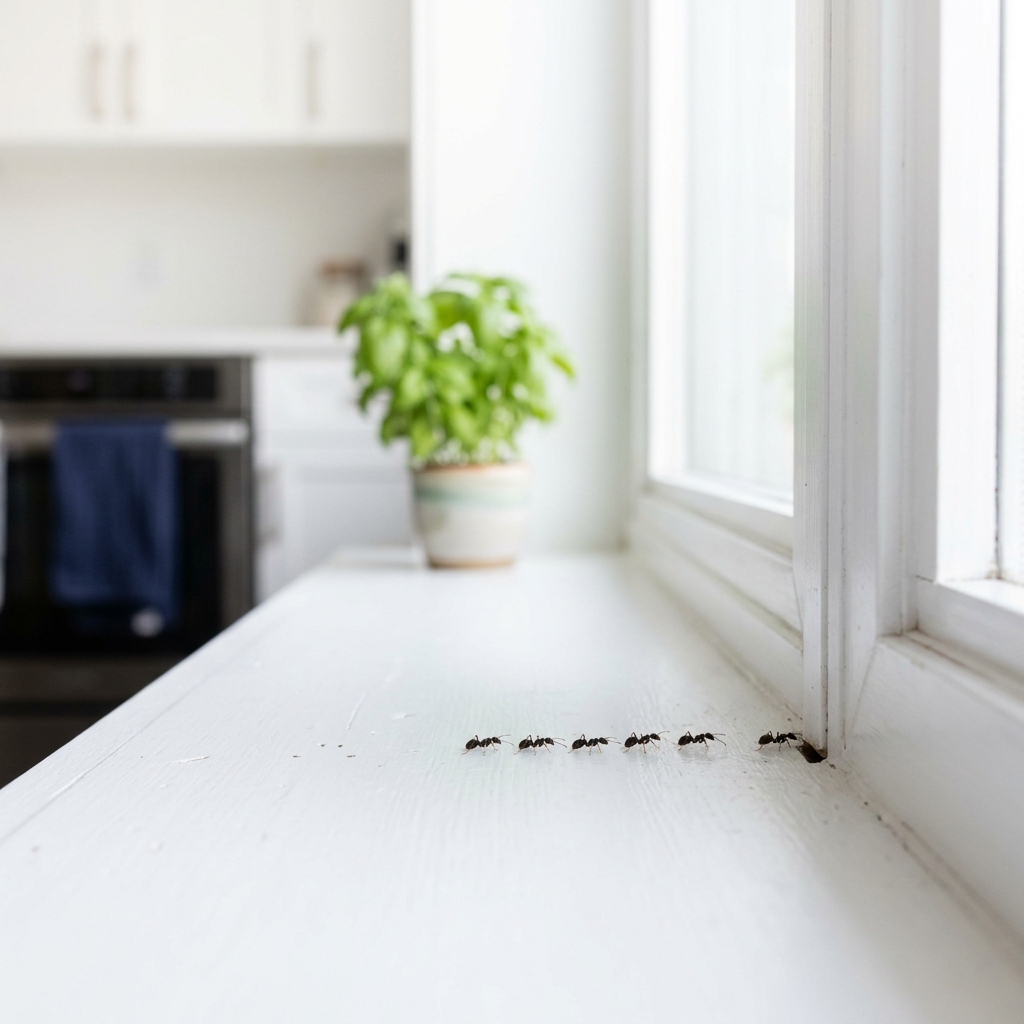
Cockroaches, ants, and other crawling insects may enter through structural gaps, delivery areas, and openings around doors or utility lines.
Food residue, accumulated debris, moisture, and undisturbed spaces can support pest activity. Cleaning floors, managing waste, and inspecting concealed areas help reduce these conditions.
How Does Warehouse Pest Management Work?
Warehouse pest management involves inspecting the property, identifying pest activity, correcting conditions that attract pests, and applying appropriate control measures.
A structured management approach generally includes the following activities.
Conduct Regular Warehouse Pest Inspections
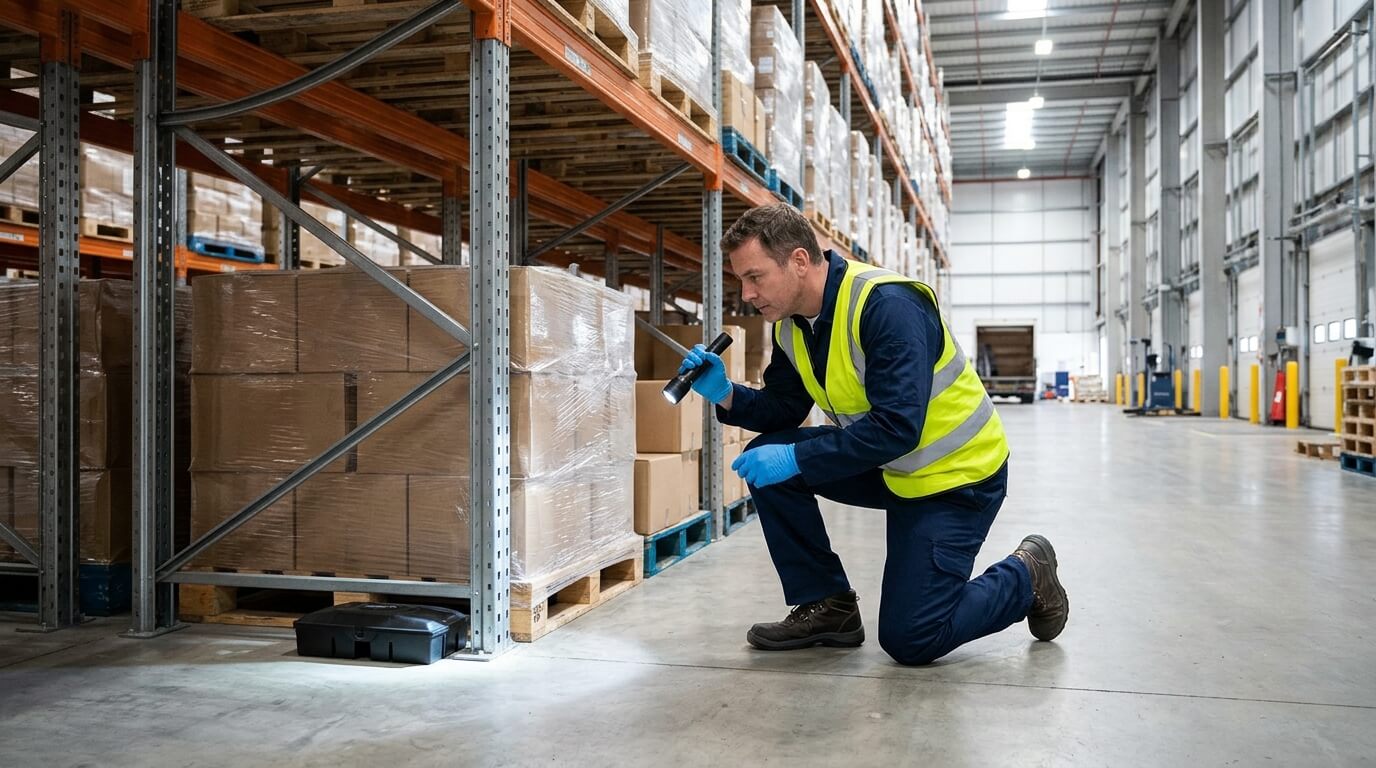
Routine inspections help identify pest activity before it spreads. Facility managers should pay attention to:
- Loading and receiving docks.
- Storage racks and pallet areas.
- Walls, ceilings, and expansion joints.
- Employee break rooms and waste collection points.
- Doors, windows, drains, and utility openings.
Inspection records should document sightings, damaged materials, affected locations, and corrective actions. Monitoring should cover both interior and exterior areas.
Identify and Seal Pest Entry Points
Damaged doors, gaps around pipes, broken window screens, and openings in walls can provide access for pests.
Businesses should inspect building boundaries and loading areas, repair structural damage, install suitable door seals, and maintain screens where necessary.
The CFIA’s pest control guidance also highlights properly maintained doors, loading docks, warehouse aisles, and building openings as important parts of pest prevention.
Maintain Proper Sanitation and Waste Management
Food scraps, spilled products, standing water, and uncovered waste containers can attract pests.
Warehouses should establish cleaning procedures that include:
- Removing product spills promptly.
- Cleaning beneath shelves and storage racks.
- Keeping waste containers covered.
- Emptying rubbish regularly.
- Maintaining clean employee areas.
- Repairing leaks and addressing moisture accumulation.
Consistent sanitation reduces food sources and hiding places that can support infestations.
How Can Businesses Prevent Rodent Infestations in Warehouses?
Businesses can prevent rodent infestations by restricting access to food, water, and nesting areas while monitoring potential entry points.
Practical measures include:
- Seal structural openings: Repair gaps around doors, foundations, pipes, and utility connections.
- Improve storage organization: Keep inventory arranged to allow cleaning and inspection around shelves and pallets.
- Remove food sources: Clean spills and store food products in suitable, sealed containers.
- Manage outdoor areas: Remove unnecessary debris, control vegetation near buildings, and keep waste areas clean.
- Monitor rodent activity: Inspect for droppings, gnaw marks, nesting materials, and other signs of infestation.
- Use appropriate control methods: Select suitable traps or other registered control measures based on the facility, infestation, and product-handling requirements.
Businesses should not rely on rodent traps alone. Effective prevention also requires correcting the conditions that allow rodents to enter and remain inside the warehouse.
What Pest Prevention Measures Do Storage and Distribution Facilities Need?
Commercial and industrial facilities have different pest management requirements depending on their inventory, building design, and daily activities.
Commercial and Industrial Warehouse Pest Control
Commercial warehouse pest control focuses on protecting stored products, maintaining clean working areas, and reducing pest activity around receiving and shipping operations.
Industrial warehouse pest control also requires attention to machinery areas, equipment storage, maintenance spaces, and structural openings.
Useful preventive measures include:
- Keeping storage aisles accessible for inspections.
- Inspecting incoming materials and deliveries.
- Maintaining clean loading docks.
- Removing unused pallets and accumulated debris.
- Monitoring areas around equipment and machinery.
Food Storage and Distribution Centre Pest Control
Food storage pest control requires particular attention because rodents and insects can contaminate food and food-contact surfaces.
Food storage facilities should inspect incoming products, maintain suitable packaging, use first-in, first-out inventory rotation, and keep food products on pallets or shelves rather than directly on the floor.
The CFIA recommends storage practices that protect food from contamination, including keeping products off the ground and allowing sufficient space for cleaning and inspection.
Ontario Regulation 493/17 also requires food premises to be protected against pest entry and kept free from conditions that encourage pest harbourage or breeding. Section 13 requires records of pest control measures to be retained for at least one year by operators of applicable food premises.
Shipping Container Pest Control
Shipping container pest control helps reduce the risk of pests entering storage and distribution facilities through incoming cargo and transportation equipment.
Before unloading, businesses should inspect containers for:
- Visible insects and rodent activity.
- Damaged packaging and contaminated cargo.
- Organic debris and food residues.
- Nesting materials in corners and concealed spaces.
- Openings or damaged sections that may allow pest entry.
Containers should be kept clean and dry, and damaged packaging should be assessed before goods enter general storage. Food-related cargo and conveyances should also be handled according to applicable food safety requirements.
When Should a Warehouse Hire a Professional Pest Control Company?
A warehouse should contact a professional pest control company when recurring pest activity, visible infestations, or signs of product contamination cannot be adequately addressed through routine sanitation and maintenance.
Professional assessment may be appropriate when:
- Rodent droppings or gnaw marks repeatedly appear.
- Insects are detected in stored products.
- Pest activity continues after entry points have been sealed.
- Multiple warehouse areas show signs of infestation.
- Pest problems affect storage, receiving, or distribution operations.
A suitable pest control plan should consider the building layout, pest species, affected areas, inventory type, and operational requirements. Treatment methods must also be selected carefully to avoid exposing products, employees, or food-contact surfaces to inappropriate pest control products.
Ultimate Pest Solutions provides commercial and residential pest control services in Toronto. Businesses experiencing rodent activity can review its rodent control services in Toronto and discuss their property requirements.
How Can Warehouses Maintain Long-Term Pest Prevention?
Long-term pest prevention depends on consistent inspections, employee awareness, proper inventory management, and timely maintenance.
Warehouse managers should establish clear procedures for reporting pest sightings, cleaning storage areas, inspecting deliveries, and recording corrective actions.
A practical prevention routine should include:
- Scheduled interior and exterior inspections.
- Regular cleaning of loading docks and storage areas.
- Proper stock rotation and packaging checks.
- Prompt repairs to structural openings and leaks.
- Monitoring of identified pest activity.
- Professional pest control support when required.
These practices help businesses maintain better control over warehouse conditions and reduce the likelihood of recurring infestations.
Frequently Asked Questions
1. Why Is Pest Control Important in Warehouses?
Pest control is important in warehouses because rodents and insects can damage stored products, contaminate packaging, and create sanitation problems. Regular inspections, proper storage practices, and preventive measures help reduce infestation risks.
2. What Are the Most Common Pests Found in Warehouses?
Common warehouse pests include mice, rats, cockroaches, ants, beetles, moths, and weevils. The types of pests depend on the stored materials, available food sources, moisture, and building conditions.
3. How Can Businesses Prevent Rodents in Warehouses?
Businesses can prevent rodents by sealing structural gaps, keeping storage areas clean, removing food waste, inspecting incoming deliveries, and monitoring signs of rodent activity. Professional rodent control may be necessary when infestations persist.
4. How Often Should a Warehouse Be Inspected for Pests?
Warehouses should have a documented pest inspection and monitoring schedule based on their building conditions, stored products, and previous pest activity. Facilities storing food or other sensitive products may require more frequent monitoring.
5. What Does Professional Warehouse Pest Control Include?
Professional pest control may include property inspections, pest identification, entry-point assessments, monitoring, suitable treatment methods, and recommendations for preventing future infestations. The specific approach depends on the facility and the type of pest involved.
6. Can Shipping Containers Bring Pests Into Warehouses?
Yes. Shipping containers can introduce insects and rodents through contaminated cargo, damaged packaging, or concealed nesting areas. Inspecting containers and incoming goods helps identify potential pest problems before products enter storage areas.
Conclusion
Effective warehouse pest control requires more than responding to visible infestations. Businesses need consistent inspections, proper sanitation, secure storage practices, and measures that prevent rodents and insects from entering their facilities.
Whether managing a commercial warehouse, industrial storage facility, food distribution centre, or shipping area, a structured pest prevention approach helps protect inventory and maintain cleaner working conditions. Businesses in Toronto experiencing recurring pest activity should consider a professional assessment to identify the problem and determine suitable control measures.