Mouse control is the combination of trapping or baiting, sealing entry points and removing food and shelter to keep mice out of a building. A small, recent problem can often be handled with traps and careful sealing. Repeated activity, mice in walls or any activity in a food business call for a professional assessment.
The City of Toronto lists rats and mice among the city’s common pests, and both need food and shelter to survive. This guide covers the signs of mice, DIY options, when to hire a professional and what affects the cost.
What Are the Signs of Mice?
Droppings, gnaw marks, nests, noises and sightings are the main signs of mice.
- Small droppings near food, in drawers, along baseboards or behind appliances.
- Gnaw marks on packaging, wood or wiring.
- Nests of shredded paper, fabric or insulation in hidden spots.
- Scratching or scurrying in walls and ceilings, especially at night.
- Live sightings, which often mean more mice are present.
In a business, damaged packaging and droppings in storage areas are common first signs.
How Do Mice Get Into a Building?
Mice enter through very small gaps, so any opening around utilities, doors, vents or the foundation can be an entry point.
Check these spots first:
- Gaps around pipes, cables and vents where they pass through walls.
- Worn door sweeps and gaps under exterior doors.
- Cracks in the foundation and gaps where siding meets the base of the wall.
- Garage doors that do not sit flush with the ground. A Toronto pest control manager gave this tip to CBC News for rodents generally.
Food and clutter keep mice in once they enter. The City’s rodent control page explains that rodents stay where they find food and shelter, which is why sanitation matters as much as trapping.
Can You Handle Mice Yourself?
Often, for a small and recent problem: seal entry points, set traps correctly and remove food sources. Not when activity continues or you cannot find the entry point.
A practical DIY sequence:
- Find and seal gaps with durable materials such as metal mesh, steel wool and sealant. Mice can gnaw through soft materials.
- Place snap traps along walls and travel routes, and check them daily.
- Store food in sealed containers and clean up crumbs.
- Keep clutter off floors and away from walls.
- Monitor for new droppings or chewing over the following weeks.
Poison baits call for extra caution. Health Canada’s Pest Management Regulatory Agency regulates pest control products in Canada, and the label sets how each product may be used. Baits can also harm pets, children and wildlife. British Columbia, for example, introduced an 18-month restriction on second-generation anticoagulant rodenticides in July 2021 to reduce wildlife poisoning, according to UBC’s pest management information.
The City of Toronto advises residents to put preventive measures in place and consider hiring a pest control company if the problem continues.
When Should You Call a Professional?
Call a professional when the Mouse Control in Toronto persists, spreads or happens in a business, because partial fixes let mice keep breeding.
- Mice keep returning after you have trapped and sealed.
- You cannot find the entry point.
- You hear activity inside walls or ceilings.
- You manage a restaurant, food store, warehouse or multi-unit building.
- Vulnerable people, such as young children, live or work in the space.
What Does Professional Mouse Control Involve?
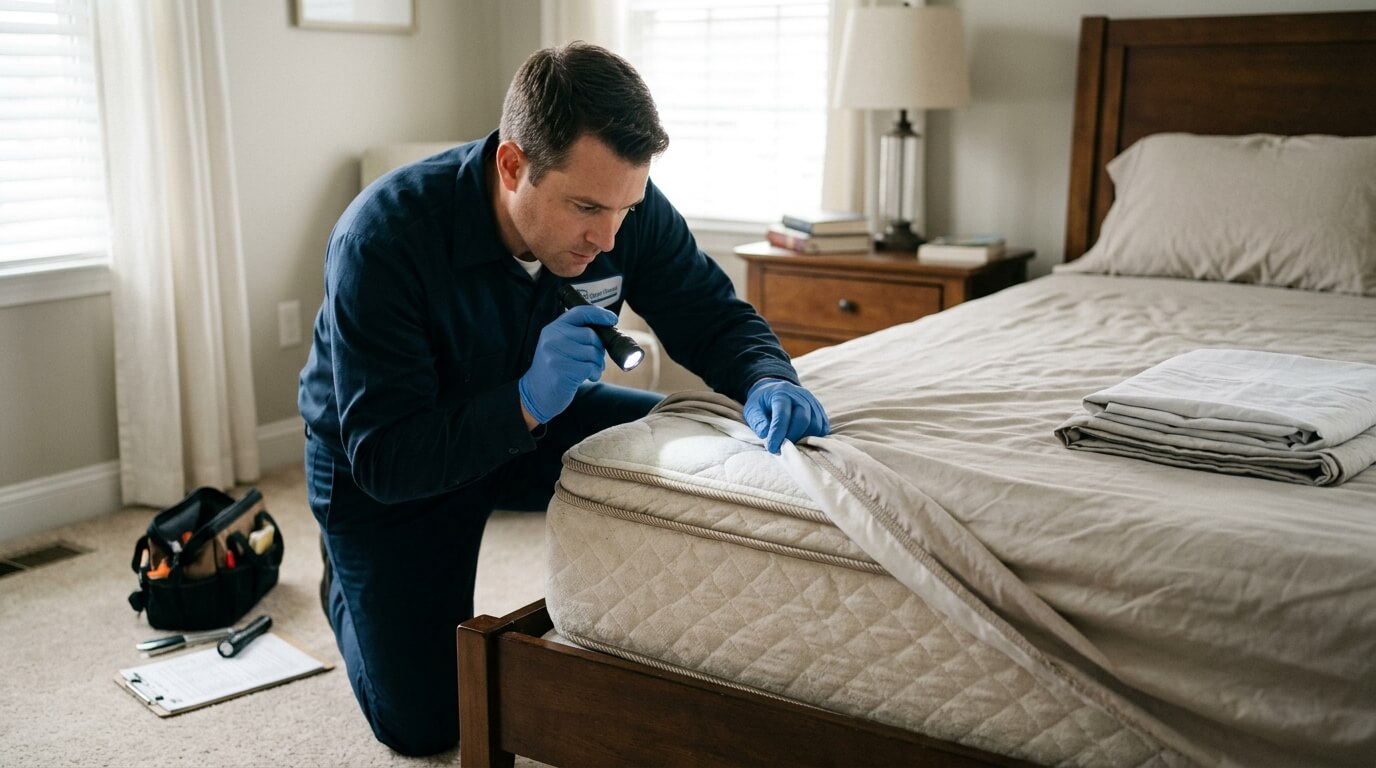
Professional mouse control inspects, removes, seals and monitors, then adjusts the plan based on what monitoring shows.
- Inspection to confirm the species, find nesting areas and trace entry points.
- Removal with traps or bait stations placed where mice travel.
- Exclusion work that seals gaps and recommends repairs.
- Sanitation guidance to remove food and shelter.
- Follow-up visits until monitoring shows no activity.
What Affects the Cost of Mouse Control in Toronto?
Cost depends on how many mice are present, how many entry points need sealing, the property type and how many visits are needed.
Providers set their own prices, so this guide does not quote figures. Ask each provider to state:
- What the inspection includes.
- Whether sealing work is included or quoted separately.
- The number of follow-up visits.
- Whether the work is a one-time treatment or an ongoing program.
- What guarantee or re-treatment terms apply.
Compare providers on scope as well as price. Treatment without sealing often brings mice back.
How Is Mouse Control Different for Businesses?
Businesses face stricter expectations because mice can contaminate food and trigger inspection concerns.
Food premises in Ontario must be protected against pests and must keep records of pest control measures under O. Reg. 493/17. Toronto Public Health investigates rodent complaints in food premises, according to the City. A recurring program with dated service reports serves both prevention and documentation.
The same principles apply to properties in neighbouring cities such as Vaughan, though local public health units and by-laws may differ.
Frequently Asked Questions
Who is responsible for mice in a rental home?
The City of Toronto says property owners and business operators are responsible for rodent control on their own properties. The City addresses complaints about rodent problems that owners or landlords have not dealt with. Tenants should report mice to the landlord in writing first.
Are mice and rats controlled the same way?
The core steps match: inspect, remove, seal and monitor. Mice fit through smaller gaps and may nest indoors, so sealing detail and trap placement differ.
Can I use poison to get rid of mice?
Consumer products must be used exactly as the label directs. Poison can harm pets, children and wildlife, so many people choose traps, sealing and sanitation first, or ask a professional.
Conclusion
Mouse control succeeds when trapping goes together with sealing and sanitation. Small problems can often be handled yourself, but repeated activity, activity in walls and any problem in a food business call for professional help. To discuss an inspection, contact Ultimate Pest Solutions.