The best commercial pest control company is the one whose licence, methods, record-keeping and response times fit the risks of your business. Commercial pest control is the ongoing inspection, prevention and treatment of pests in workplaces such as restaurants, warehouses, offices and multi-unit buildings.
This guide sets out what to check, what to ask and why documentation matters for Toronto food businesses.
What Does a Commercial Pest Control Program Include?
A commercial program combines scheduled inspections, monitoring, treatment, pest-proofing advice and written service records.
Unlike a one-off treatment, a program runs on a schedule and tracks pest activity over time. That tracking shows whether a problem is shrinking, recurring or moving to a new area of the building.
A solid program usually includes:
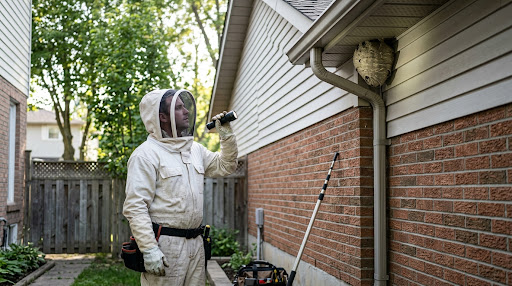
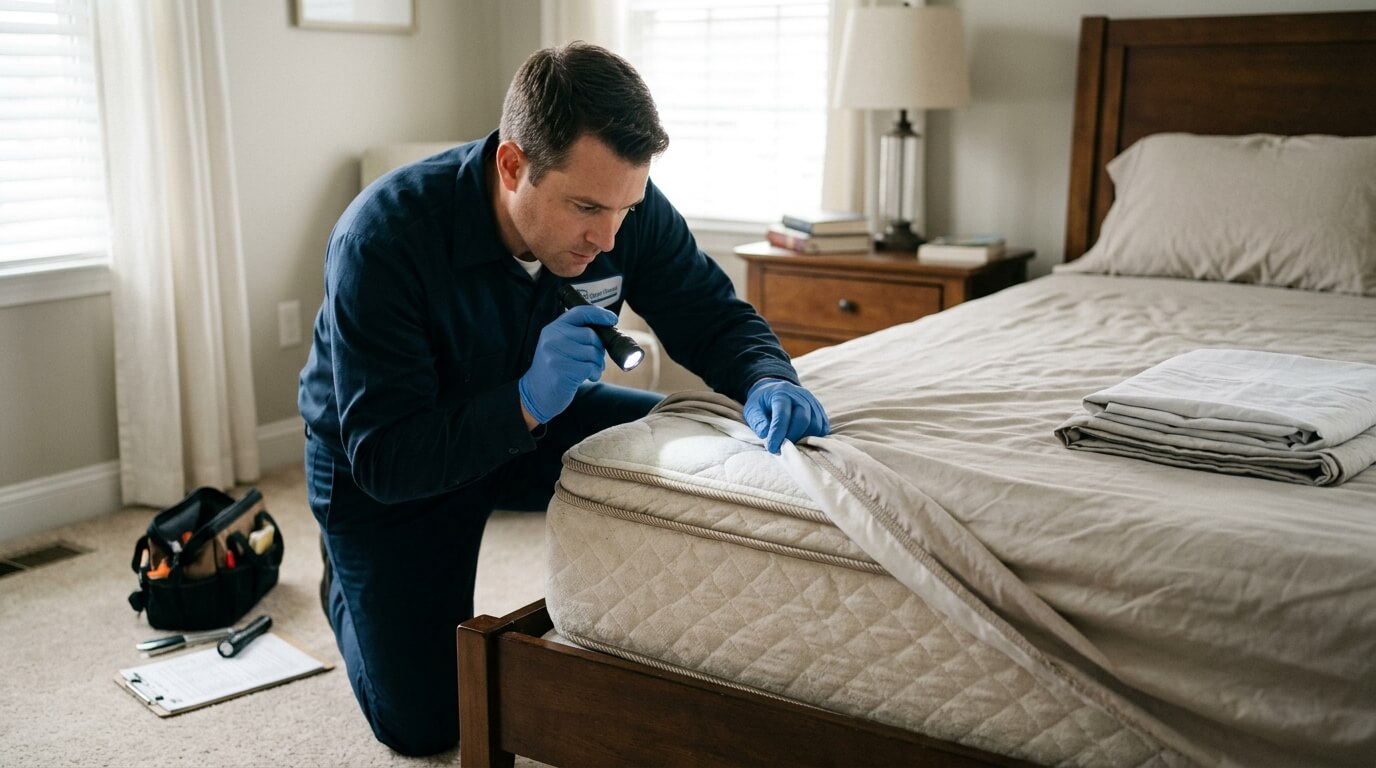
- Inspections of the interior, exterior perimeter and waste areas.
- Monitoring devices, such as traps and bait stations, checked on every visit.
- Targeted treatment when activity appears.
- Recommendations for sanitation, repairs and pest-proofing.
- A service report after each visit.
Which Licences Should a Commercial Provider Hold?
A provider should hold an Ontario exterminator licence that matches the work. Ontario’s Pesticides Act and O. Reg. 63/09 set out the licence classes and requirements for exterminators.
Ask to see the licence, check that its class covers your type of site, and confirm who will carry out the visits. The regulation allows people to work under a licensed exterminator’s supervision, so ask how technicians are trained and supervised. Request proof of liability insurance too. It protects your business if something goes wrong on site.
Why Does Documentation Matter for Food Businesses?
Food premises in Ontario must keep pests out and keep records of every pest control measure. The Eastern Ontario Health Unit’s pest control checklist explains that section 13 of O. Reg. 493/17 requires every food premise to be protected against the entry of pests, and requires operators to keep records of all pest control measures, whether staff or a pest control company carried them out. The regulation sets a minimum retention period for those records, so confirm it in section 13.
Toronto Public Health inspects food businesses under its DineSafe program, which assesses premises against O. Reg. 493/17 and municipal by-laws. The program lists rodent or insect infestation without an effective method of pest control among the infractions it tracks.
Choose a provider that issues a dated service report after every visit. Those reports are the records an inspector may ask to see.
What Is Integrated Pest Management, and Why Should You Ask for It?
Integrated pest management (IPM) is a planning and decision-making approach that prevents pest problems and guides when and how to intervene. Landscape Ontario, using the definition developed by Health Canada’s Pest Management Regulatory Agency, describes IPM as combining biological, cultural, physical and chemical tools so that the benefits of pest control are maximized and health and environmental risks are minimized.
In practice, an IPM provider inspects first, identifies the pest, fixes the conditions that attract it and applies treatment where activity justifies it. Ask how a provider applies IPM at sites like yours. A plan built on routine spraying with no inspection findings behind it is a warning sign.
What Questions Should You Ask Before Signing a Contract?
Ask for written answers to the questions below, and compare at least two providers on scope as well as price.
- What is the licence number, and which class does it cover?
- What is the scope of service, and how often will visits happen?
- How quickly will a technician respond to an urgent issue?
- What does each service report include?
- Which products and methods will be used near food, staff and customers?
- Who is responsible for recommending repairs and pest-proofing?
- What are the contract length and cancellation terms?
- Can the provider share references from similar businesses?
How Does the Right Program Differ by Business Type?
The right program depends on what attracts pests to your building.
Restaurants and food processors need strict sanitation support and complete documentation. Warehouses and distribution sites need attention to dock doors, pallets and outdoor perimeters. Offices face fewer food-driven pests but still see rodents and insects that enter through shared walls and utilities. Multi-unit buildings need coordinated access and clear communication with tenants, because treating one unit may not solve a building-wide problem.
Frequently Asked Questions
How often should a business schedule pest control visits?
The right frequency depends on your industry, building condition and pest history. A good provider sets the schedule from an initial inspection and adjusts it using monitoring data. Food premises must also keep records of every pest control measure.
Do restaurants have to keep pest control records?
Yes. Section 13 of O. Reg. 493/17 requires food premise operators to keep records of all pest control measures, whether a staff member or a pest control company carried them out.
What is the difference between a one-time treatment and a commercial program?
A one-time treatment responds to an existing problem. A program adds scheduled inspections, monitoring and reporting to prevent problems and document your compliance.
Conclusion
Choosing the best commercial pest control company comes down to verifiable details: a matching Ontario exterminator licence, an IPM approach, clear service records and a written scope that fits your site. Use the questions above to compare providers. To discuss a pest control program for your business, contact Ultimate Pest Solutions.
<script type=”application/ld+json”>
{“@context”:”https://schema.org”,”@type”:”FAQPage”,”mainEntity”:[{“@type”:”Question”,”name”:”How often should a business schedule pest control visits?”,”acceptedAnswer”:{“@type”:”Answer”,”text”:”The right frequency depends on your industry, building condition and pest history. A good provider sets the schedule from an initial inspection and adjusts it using monitoring data. Food premises must also keep records of every pest control measure.”}},{“@type”:”Question”,”name”:”Do restaurants have to keep pest control records?”,”acceptedAnswer”:{“@type”:”Answer”,”text”:”Yes. Section 13 of O. Reg. 493/17 requires food premise operators to keep records of all pest control measures, whether a staff member or a pest control company carried them out.”}},{“@type”:”Question”,”name”:”What is the difference between a one-time treatment and a commercial program?”,”acceptedAnswer”:{“@type”:”Answer”,”text”:”A one-time treatment responds to an existing problem. A program adds scheduled inspections, monitoring and reporting to prevent problems and document your compliance.”}}]}