Carpenter ants can become a serious household nuisance when they establish nests inside wooden structures. Unlike termites, carpenter ants do not eat wood. They excavate tunnels and galleries to create nesting spaces, often choosing wood that has already been affected by moisture or decay.
To get rid of carpenter ants, identify their nesting locations, address moisture problems, remove accessible nesting materials and use appropriate control methods. Simply killing the ants visible on countertops or floors may not eliminate an established colony.
This guide explains how to recognize carpenter ant activity, find potential nesting areas and reduce the conditions that allow these insects to enter your home.
What Are Carpenter Ants and Why Do They Enter Homes?
Carpenter ants are wood-nesting ants that excavate galleries inside timber to establish colonies. They enter homes primarily to find food, suitable nesting locations and shelter.
According to Health Canada’s carpenter ant guidance, carpenter ants feed on both plant and animal matter. They may consume insects, sweet substances and food scraps found around residential properties.
Unlike termites, carpenter ants do not digest or consume the wood they excavate. Instead, they remove the material and push it outside their galleries, sometimes leaving behind piles of sawdust-like debris.
Common reasons carpenter ants appear around homes include:
- Moisture-damaged or decaying wood.
- Tree stumps and dead branches near buildings.
- Firewood stored close to exterior walls.
- Food crumbs, sugary substances and uncovered food.
- Openings around windows, foundations and utility connections.
- Wooden porches, sheds and other structures connected to the house.
Carpenter ants may initially establish nests outdoors before workers begin exploring nearby buildings. Some colonies can also establish secondary nests inside structures.
How Can You Identify a Carpenter Ant Infestation?
Carpenter ant infestations can be identified through ant activity, discarded wood particles, nesting damage and other physical evidence. Seeing one ant does not automatically confirm an established indoor colony, so look for multiple signs.
1. Sawdust-Like Material Near Wooden Structures
One common sign is a small pile of wood shavings, often called frass, near wooden surfaces.
Carpenter ants push excavated material out of their galleries. This debris may collect beneath window frames, wooden beams, cabinets or other potential nesting locations.
However, sawdust alone does not confirm carpenter ants. Other wood-damaging insects and construction activity can also produce similar material.
2. Large Ants Appearing Indoors
Carpenter ants are generally larger than many household ant species. Their colour can vary, with black and reddish-brown forms occurring in Canada.
Repeated sightings near wooden structures, particularly during the evening, may indicate nearby nesting activity.
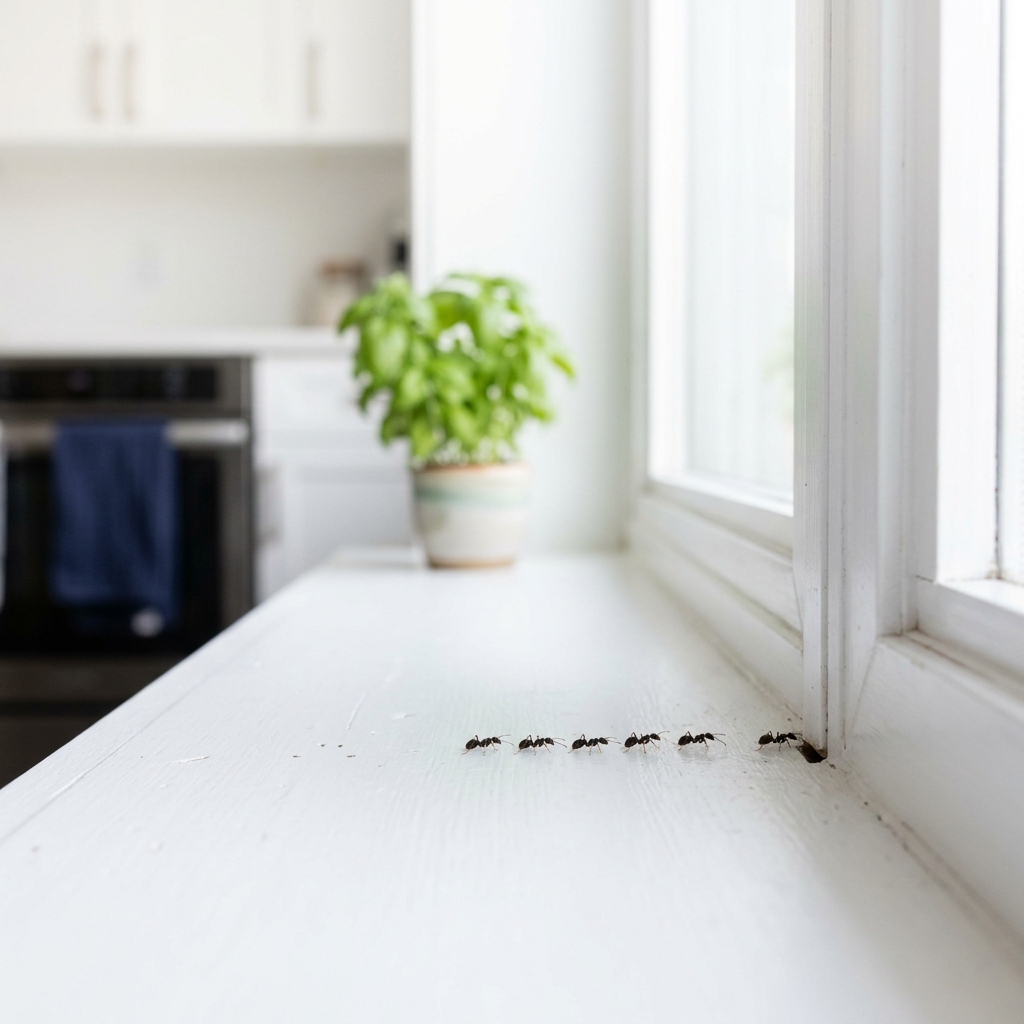
Pay attention to whether ants repeatedly follow the same route along walls, windowsills, kitchen cabinets or wooden trim.
3. Small Openings in Wood
Carpenter ant galleries can create openings in damaged or vulnerable wood.
Look for small openings around:
- Window frames and door frames.
- Wooden floorboards.
- Structural beams.
- Wall trim and baseboards.
- Areas around leaking plumbing.
Do not assume every opening in wood is caused by carpenter ants. A proper inspection is needed to identify the source.
4. Rustling Sounds Inside Walls
An active colony may produce faint rustling sounds inside wooden structures or wall cavities.
These sounds can be difficult to distinguish from other household noises. If you repeatedly hear activity around a particular wooden area, investigate further rather than assuming the cause.
Where Do Carpenter Ants Build Their Nests?
Carpenter ants prefer nesting locations where suitable wood and shelter are available. Moisture-damaged wood is particularly attractive, although they can also occupy dry structural spaces connected to an established colony.
Moisture-Damaged Wood
Leaking roofs, plumbing problems and poor ventilation can contribute to wood deterioration.
Carpenter ants often use softened or decaying timber because it is easier to excavate.
Wall Voids and Attics
Wall cavities, attic spaces and hollow wooden structures can provide sheltered nesting locations.
These areas may allow a colony to remain hidden while workers travel outside to find food.
Outdoor Nesting Locations
Carpenter ants also establish colonies in natural and man-made outdoor structures, including:
- Dead trees and tree stumps.
- Fallen logs.
- Decaying branches.
- Wooden landscaping materials.
- Firewood piles.
- Wooden sheds and outdoor structures.
An outdoor nest close to a building may contribute to recurring indoor ant activity.
How Can You Get Rid of Carpenter Ants?
Getting rid of carpenter ants requires more than treating the ants that are visible. The nesting location, surrounding moisture conditions and possible secondary colonies must also be considered.
1. Locate the Nesting Area
Observe where carpenter ants travel and whether their activity is concentrated around a particular section of the house.
Check areas with moisture damage, exposed timber, wooden window frames and plumbing connections.
Avoid opening walls or damaging structural materials without knowing what is behind them.
2. Fix Moisture Problems
Repair leaking pipes, roof leaks and other sources of unwanted moisture.
Improve ventilation where necessary and replace wood that has deteriorated beyond repair.
Moisture management is important because carpenter ants commonly use softened or decaying wood for nesting.
3. Remove Food Sources
Carpenter ants may enter kitchens and other household areas while searching for food.
Reduce potential food sources by:
- Storing food in sealed containers.
- Cleaning food crumbs and spills.
- Keeping garbage containers covered.
- Cleaning around pet feeding areas.
- Removing food residue from kitchen surfaces.
These measures make indoor areas less attractive to foraging ants.
4. Use Appropriate Ant Control Methods
Different treatment methods may be suitable depending on the location and size of the colony.
Ant baits, dusts and other registered pest control products have different applications. Always follow the product label and use products only for their approved purposes.
Avoid randomly spraying every ant trail. Some treatments may kill visible workers without addressing the colony.
If the nest is inside a wall, attic or structural area, professional assessment may be necessary.
5. Address Outdoor Nesting Conditions
Remove decaying wood, dead branches and unnecessary wood debris close to the property.
Store firewood away from exterior walls and inspect wooden structures for signs of deterioration.
These steps can reduce potential nesting opportunities around the building.
How Can You Prevent Carpenter Ants From Returning?
Preventing recurring carpenter ant problems involves maintaining the building, reducing moisture and limiting access to food and nesting materials.
Consider these preventive measures:
- Repair leaking pipes and roof areas promptly.
- Replace severely damaged wooden materials.
- Seal visible openings around windows and foundations.
- Keep tree branches and vegetation from directly contacting the building where practical.
- Store firewood away from the house.
- Remove decaying tree stumps and unnecessary wood debris.
- Keep kitchens and food storage areas clean.
- Inspect wooden structures periodically for damage.
Prevention is especially important when carpenter ants have previously established nests around a property.
When Should You Call a Professional Carpenter Ant Exterminator?
Professional pest control may be appropriate when carpenter ant activity continues despite preventive measures or when the nesting location is difficult to access.
Consider professional assistance if:
- Carpenter ants repeatedly appear indoors.
- You find sawdust-like debris around structural wood.
- Ants appear to be coming from walls or ceilings.
- There are signs of moisture-damaged wooden structures.
- Multiple nesting locations may be involved.
- Previous treatment has not resolved the problem.
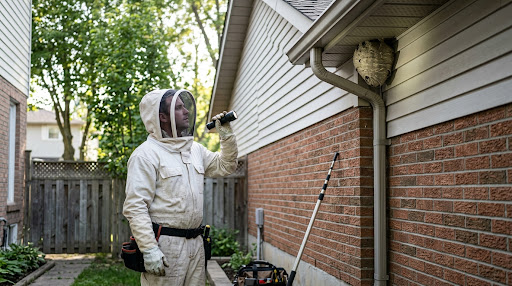
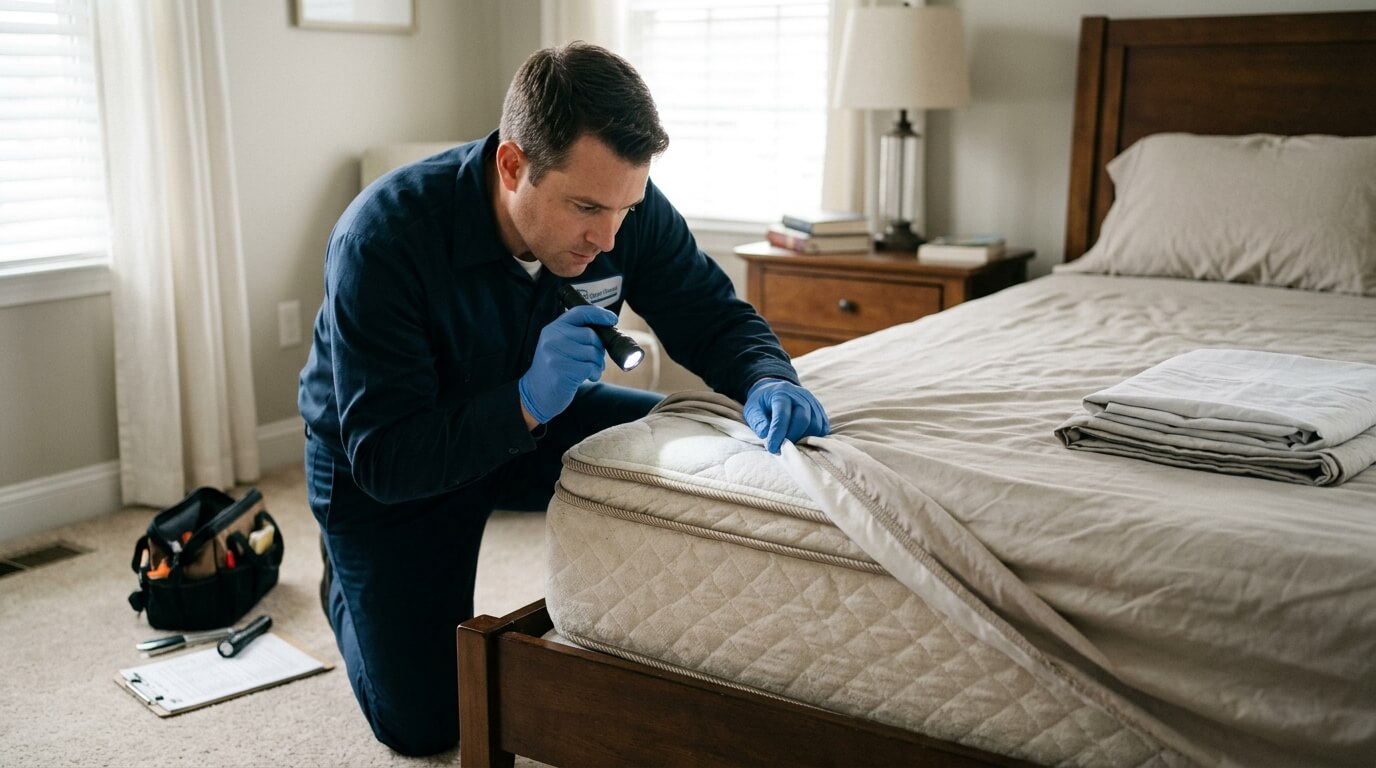
A professional inspection can help identify the ant species, assess potential nesting locations and determine an appropriate treatment approach.
For assistance with ant problems, visit Ultimate Pest Solutions to learn about pest control options.
Frequently Asked Questions
Do carpenter ants eat wood?
No. Carpenter ants excavate wood to create nesting galleries but do not consume it. They feed on insects, plant and animal matter, and food sources available around homes.
How do I know if carpenter ants are inside my walls?
Repeated ant activity around wall openings, rustling sounds and sawdust-like debris may indicate nesting activity. However, these signs should be inspected before confirming an infestation.
Are carpenter ants dangerous to a house?
Carpenter ants can damage wooden structures by excavating galleries. The extent of damage depends on the location, condition of the wood and duration of the infestation.
Can carpenter ants return after treatment?
Yes. Carpenter ants may return if the original nest remains active, another colony is nearby or suitable nesting conditions continue to exist.
What attracts carpenter ants to a house?
Moisture-damaged wood, accessible food, nearby outdoor nests and openings around the building can contribute to carpenter ant activity.
Conclusion
Carpenter ants can create nesting galleries inside wooden structures, making early identification important for homeowners. Look for repeated ant activity, discarded wood particles and possible moisture damage rather than relying on visible ants alone.
The most effective approach combines identifying the nesting location, correcting moisture problems, reducing food sources and applying suitable control methods. When activity continues or the nest is inaccessible, professional pest control can help determine the next steps.