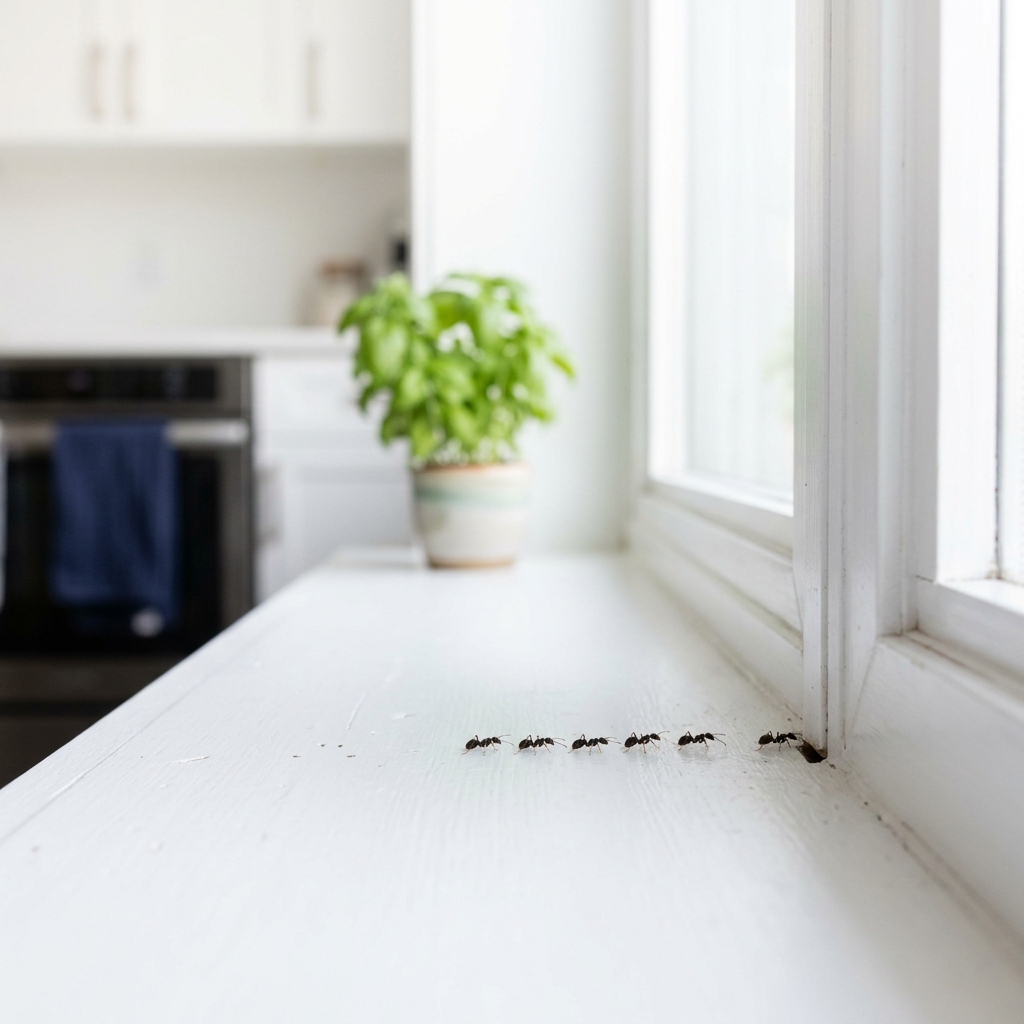
Cluster flies can become a frustrating problem when large groups appear around windows, ceilings and other areas inside a house. They are particularly noticeable during colder months, when homeowners may find sluggish flies emerging from hidden spaces.
To get rid of cluster flies, remove visible flies, identify potential entry points and seal openings before the next seasonal migration. If flies are repeatedly appearing from wall cavities or attic spaces, a professional inspection may help identify where they are entering.
Cluster flies are overwintering flies that enter buildings to find sheltered places during colder weather. Unlike many household flies, they do not normally reproduce inside homes.
This guide explains why cluster flies enter houses, where they hide and how homeowners can reduce recurring activity.
What Are Cluster Flies and What Do They Look Like?
Cluster flies are outdoor flies that enter buildings to shelter during colder months. They are commonly confused with ordinary house flies because their general appearance is similar.
However, cluster flies have several distinguishing features:
- They are generally larger than common house flies.
- Their bodies are dark grey rather than shiny metallic.
- They may have golden or yellowish hairs on the upper body.
- Their movement is often slower and less active.
- Their wings overlap when they rest.
Health Canada’s cluster fly identification guidance explains that cluster flies commonly gather inside homes after entering during autumn.
Correct identification is important because not every fly appearing indoors during winter is a cluster fly. Blow flies and face flies can also enter buildings, but their behaviour and breeding sources differ.
Why Do Cluster Flies Enter Houses?
Cluster flies enter houses mainly to find protected locations where they can remain during colder weather. Buildings provide sheltered cavities that protect them from outdoor conditions.
Seasonal Shelter-Seeking Behaviour
During late summer and autumn, adult cluster flies begin looking for sheltered places to spend the colder months.
They may gather on sun-warmed exterior walls before moving into openings around the building.
Once inside, they can remain inactive in sheltered spaces for extended periods.
Warm Exterior Walls
Cluster flies may be attracted to sunny sides of buildings, particularly south- and west-facing walls that receive sunlight during the day.
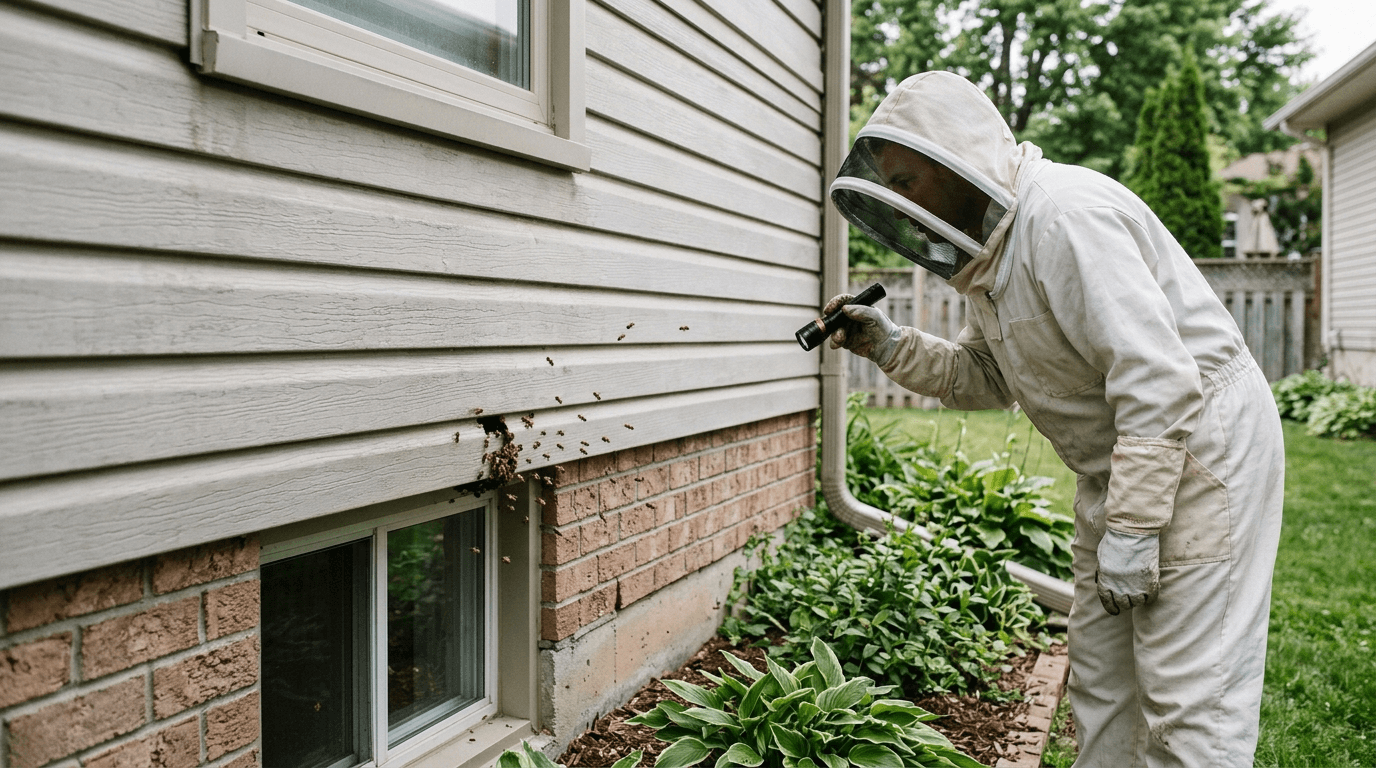
After gathering on these surfaces, they may crawl into small openings around siding, windows and roof edges.
Small Openings Around Buildings
Cluster flies do not need a large opening to enter a building.
Potential entry points include:
- Cracks around window frames.
- Gaps around exterior doors.
- Openings beneath roof edges.
- Damaged soffit areas.
- Unscreened attic vents.
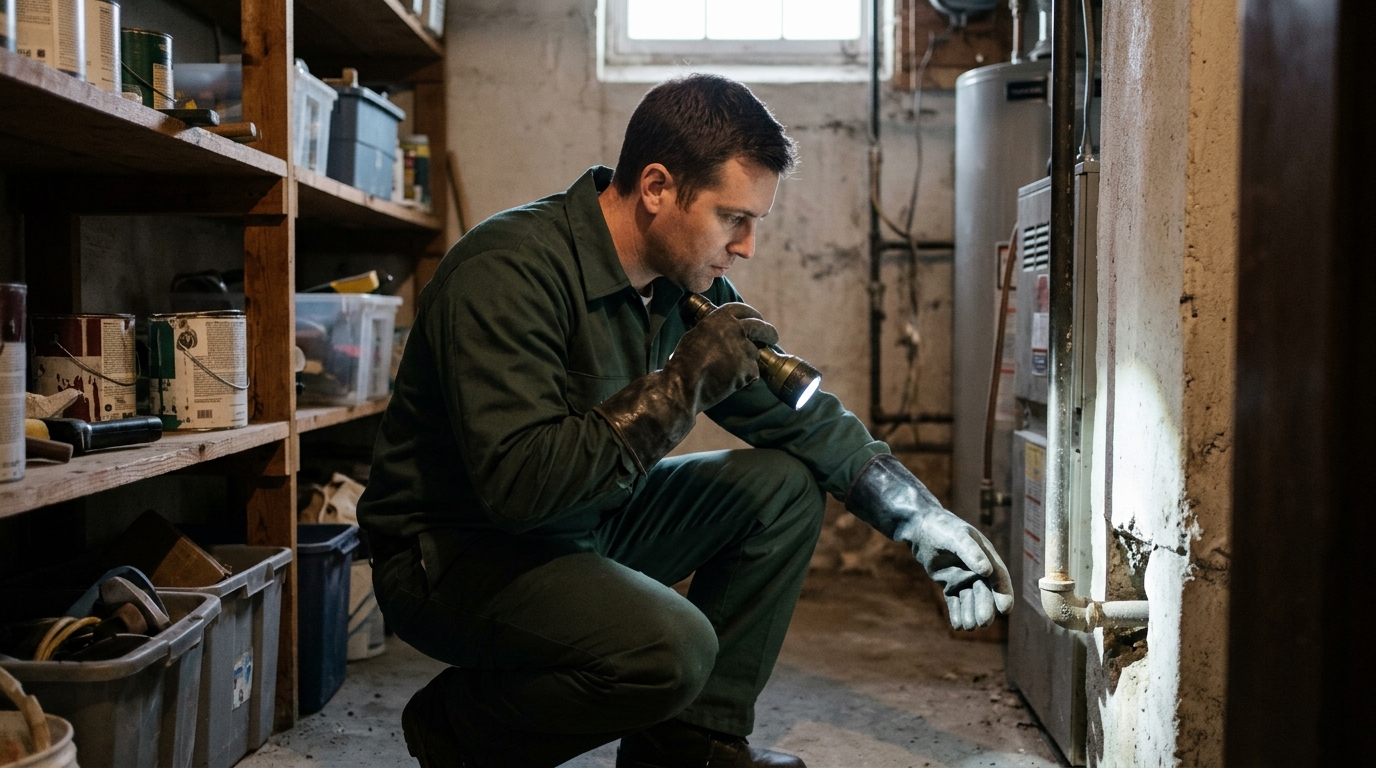
- Gaps around utility connections.
- Cracks in exterior siding.
Even small openings can provide access to concealed building spaces.
Where Do Cluster Flies Hide Inside Homes?
Cluster flies commonly shelter in secluded areas such as attics, wall cavities and other undisturbed spaces. Their presence may become noticeable when warmer conditions cause them to become active.
Attics
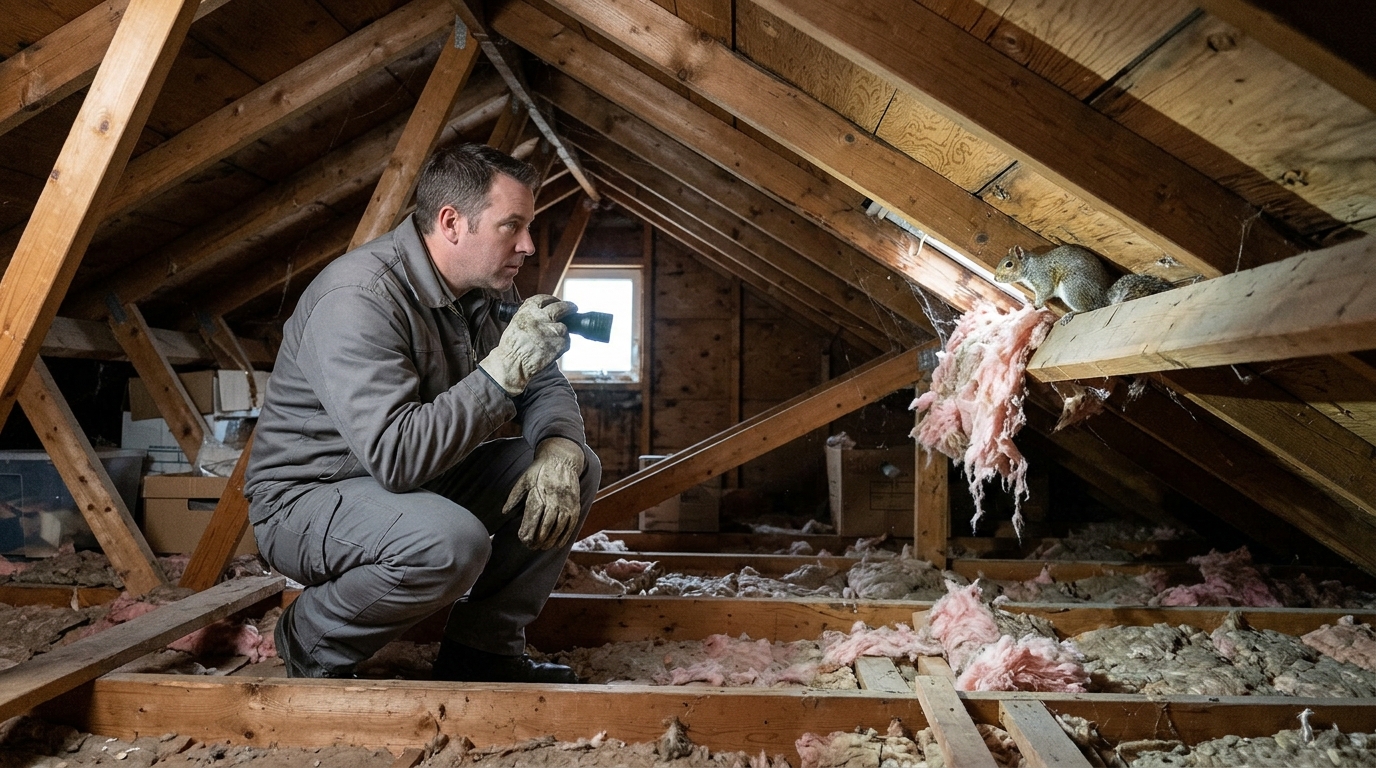
Attics provide sheltered spaces where cluster flies can gather during colder weather.
Homeowners may discover flies near attic windows, roof openings or areas connected to exterior walls.
Wall Voids
Wall cavities can provide access to protected spaces between the interior and exterior surfaces of a building.
Flies may later move through small gaps and appear inside living areas.
Closets and Unused Rooms
Cluster flies can also appear in rooms that are rarely used, particularly where they have access to concealed openings.
You may notice them gathering around windows, curtains or light sources when they become active.
Windows and Window Frames
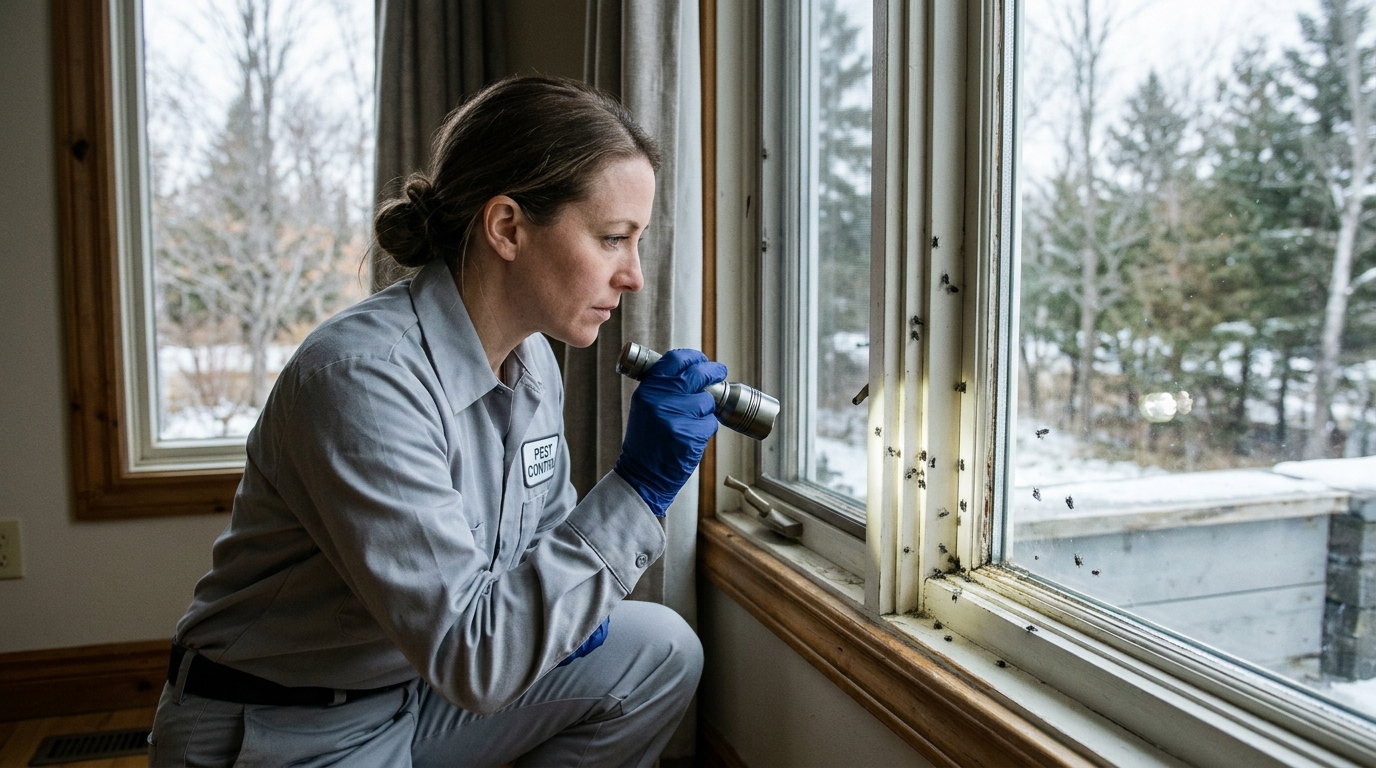
Windows are common places where homeowners notice cluster flies.
As flies move towards indoor light, they may collect around window glass and frames, making the infestation appear more extensive than the actual number of accessible flies.
How Can You Get Rid of Cluster Flies?
Getting rid of cluster flies involves removing visible insects and reducing the openings they use to enter the building. The most effective prevention usually happens before flies move into wall and attic spaces.
1. Remove Visible Cluster Flies
If cluster flies appear inside your home, use practical physical removal methods.
You can:
- Use a vacuum cleaner to collect visible flies.
- Empty and dispose of vacuum contents appropriately.
- Use a fly swatter where suitable.
- Consider window traps designed for flies.
Avoid crushing large numbers of flies directly against walls, curtains or other surfaces because they may leave stains.
Health Canada identifies vacuuming and physical removal as options for managing visible cluster flies.
2. Inspect Windows and Exterior Doors
Check window frames, door frames and surrounding areas for gaps.
Repair damaged weatherstripping and replace worn or damaged insect screens.
Make sure doors close properly and do not leave unnecessary openings.
3. Seal Cracks and Entry Points
Inspect the exterior of the property for openings around siding, roof edges, vents and utility connections.
Use suitable caulking or building materials to close gaps where appropriate.
For attic and soffit openings, install suitable insect screening while maintaining the ventilation requirements of the building.
4. Use Window Traps Where Appropriate
Window traps may help collect cluster flies that become active around windows.
Place traps according to the manufacturer’s directions and keep them away from children and pets where necessary.
Traps can help manage visible flies but will not prevent new insects from entering through unsealed openings.
5. Avoid Unnecessary Indoor Pesticide Applications
Do not assume that spraying every visible fly will resolve the underlying problem.
Cluster flies may remain hidden inside wall cavities and attics. Random indoor pesticide applications may fail to reach those areas.
If a pesticide is considered necessary, Health Canada requires the use of authorized products according to their labels. See its pesticide safety guidance.
For recurring or extensive activity, a professional inspection can help identify the source and determine suitable treatment options.
How Can You Prevent Cluster Flies From Entering Your Home?
Preventing cluster flies is generally easier before they find shelter inside the building. Exterior inspection and exclusion should therefore be part of seasonal home maintenance.
Seal Exterior Cracks and Gaps
Inspect the exterior walls and seal suitable openings around:
- Window frames.
- Exterior doors.
- Siding joints.
- Utility pipes and cables.
- Roof edges.
- Soffits and fascia.
Use appropriate materials for each building location.
Repair Damaged Window Screens
Inspect insect screens for tears, loose edges and gaps.
Replace damaged screens and make sure they fit correctly.
Maintain Attic Ventilation Openings
Attic vents should have appropriate screening to limit insect entry.
Do not block ventilation openings completely because proper attic ventilation is important to building performance.
Inspect the Building Before Autumn
Make exterior inspections part of your late-summer maintenance routine.
Check areas that receive strong sunlight and look for openings around the upper portions of the building.
Sealing access points before cluster flies enter is more effective than waiting until they have already gathered inside wall cavities.
Are Cluster Flies Dangerous?
Cluster flies are generally considered nuisance pests rather than major household health hazards. They do not normally feed, breed or lay eggs inside homes.
According to Health Canada, cluster flies are not usually a health hazard, although they can create nuisance problems and leave stains on walls and curtains.
Their presence can still cause several inconveniences:
- Large numbers may gather around windows.
- Dead flies may collect in concealed areas.
- Flies may leave spots on walls and curtains.
- Repeated indoor appearances can become frustrating.
- Dead flies inside wall cavities may attract other insects, including larder beetles.
It is important to distinguish cluster flies from other indoor fly species. Some flies have different breeding habits and may present separate sanitation concerns.
When Should You Call a Professional Pest Control Company?
Professional pest control may be appropriate when cluster flies repeatedly appear despite sealing visible openings and removing the insects you can see.
Consider professional assistance when:
- Large groups repeatedly appear around windows.
- Flies emerge from wall cavities or ceiling openings.
- Activity continues across different rooms.
- You cannot identify the likely entry points.
- Flies keep returning during successive colder seasons.
- Dead flies accumulate in inaccessible areas.
A professional inspection can help identify the likely entry locations and determine whether exclusion, physical removal or another control method is appropriate.
For pest-related assistance, visit Ultimate Pest Solutions to review available pest control services.
Frequently Asked Questions
Why do cluster flies suddenly appear in my house?
Cluster flies may enter buildings during autumn to find sheltered places for winter. They can become more noticeable when warmer indoor or outdoor conditions make them active.
Do cluster flies breed inside houses?
No. Cluster flies normally lay their eggs outdoors in soil, and their larvae develop as parasites of earthworms. Homes provide shelter rather than their usual breeding environment.
Why are cluster flies gathering around my windows?
Cluster flies may move towards windows because of light and warmer conditions. They often become more active during sunny periods, particularly in colder months.
Do cluster flies disappear in winter?
Cluster flies can remain sheltered inside buildings during winter. They may become active on warmer days, so homeowners can continue seeing them even when outdoor temperatures are low.
How can I prevent cluster flies from coming back?
Seal exterior cracks, repair window screens, weatherstrip doors and inspect attic vents. Preventing entry before the flies seek winter shelter is an important part of long-term control.
Conclusion
Cluster flies commonly enter houses to find protected spaces during colder weather. Their presence around windows, ceilings and attics can be frustrating, but they are generally nuisance pests rather than a major health threat.
The most practical prevention approach is to identify their entry points, seal suitable openings, maintain window screens and remove visible flies using physical methods.
If cluster flies repeatedly appear inside your home, a professional inspection can help identify where they are entering and determine the most appropriate way to manage the problem.