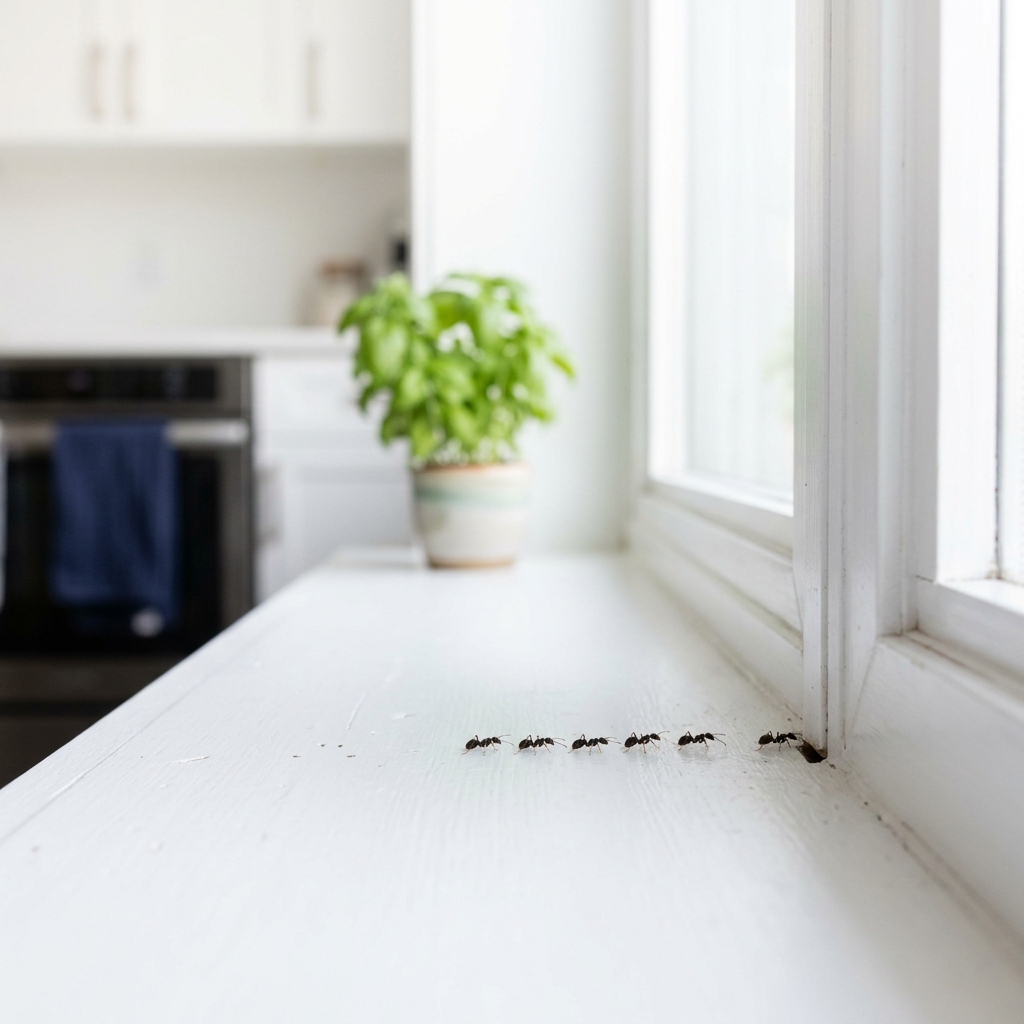
Rats inside a home can damage property, contaminate stored food and create unpleasant living conditions. They often remain hidden in walls, basements, attics and other sheltered areas, so homeowners may notice droppings or scratching sounds before seeing an animal.
To get rid of rats, identify their activity, remove accessible food and water sources, close suitable entry points and use appropriate trapping or professional control methods. Simply placing a trap without addressing how rats enter and where they hide may not solve the problem.
Rat control is the process of identifying rodent activity, reducing the conditions that support it and managing the existing infestation.
This guide explains how to recognize rat activity, find potential hiding places and prevent rodents from returning.
Why Do Rats Enter Houses?
Rats enter houses mainly to find food, water and protected places to shelter or build nests. Residential buildings can provide all three, particularly when food waste, clutter and structural openings are present.
Common conditions that may attract rats include:
Uncovered garbage and food waste.
Pet food left outside or in accessible containers.
Leaking pipes and standing water.
Unsealed openings around foundations and utility lines.
Cluttered basements, garages and storage areas.
Firewood or other materials stored against exterior walls.
Dense vegetation close to the building.
Rats may also enter through damaged vents, gaps around doors and openings in roofs or exterior walls.
The type of rat matters when identifying its likely movement patterns. According to Health Canada’s guidance on rats and mice, Norway rats commonly use ground-level burrows and damp areas, while roof rats are more agile climbers and may occupy attics, rafters and upper parts of buildings.
What Are the Signs of a Rat Infestation?
A rat infestation can be indicated by droppings, gnaw marks, damaged food packaging, unusual sounds and evidence of nesting. Several signs appearing in the same area make further investigation important.
1. Rat Droppings
Rat droppings may appear along walls, near food storage areas, behind appliances and in secluded corners.
Their appearance can help with identification, but droppings from different rodent species may be confused with one another.
Avoid handling droppings directly. If you find suspected rodent waste, use appropriate precautions before cleaning the area.
2. Scratching and Movement Sounds
Rats may move through wall cavities, ceilings, basements and other concealed spaces.
You might hear:
Scratching behind walls.
Movement above ceilings.
Scurrying sounds at night.
Gnawing or chewing noises.
Activity around storage spaces.
These sounds do not automatically confirm rats. Other rodents and animals can produce similar noises.
3. Gnaw Marks and Property Damage
Rats have continuously growing incisors and gnaw on different materials.
Inspect areas where you find:
Damaged food packaging.
Chewed cardboard boxes.
Gnaw marks on wood.
Damaged insulation.
Signs of chewing around utility openings.
Damage to electrical wiring is particularly concerning and should be assessed by an appropriate professional.
4. Nests and Burrows
Rats may create nests using shredded paper, fabric, insulation and other available materials.
Potential nesting locations include basements, crawl spaces, wall cavities, storage areas and sheltered outdoor spaces.
Norway rats may also create burrows around foundations, sheds and other protected ground-level areas.
Where Do Rats Hide Inside a House?
Rats generally prefer sheltered locations where they can move without frequent disturbance. Their hiding places depend on the species, building structure and available food and water.
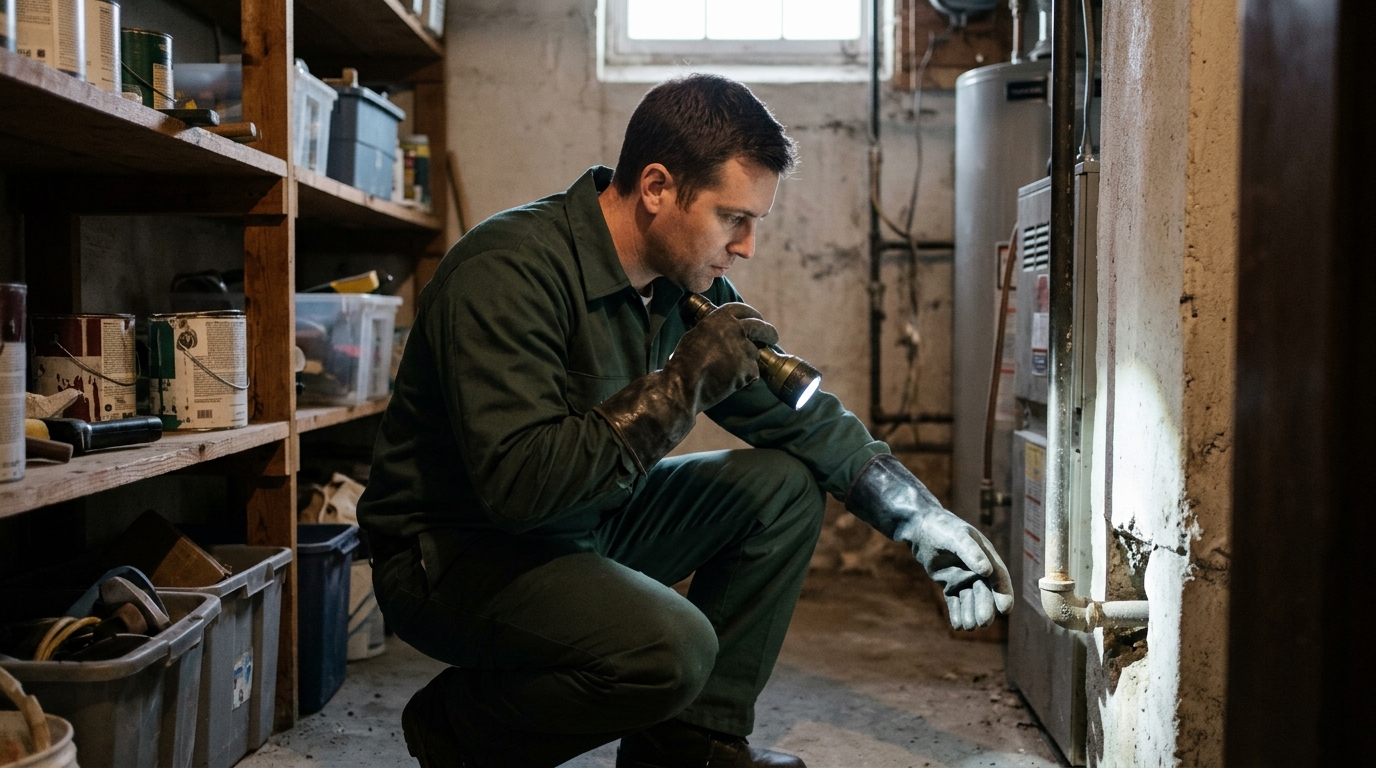
Basements and Crawl Spaces
Basements provide dark, sheltered spaces where rats may find storage materials, moisture and access to wall cavities.
Inspect cluttered corners, utility areas and openings around plumbing.
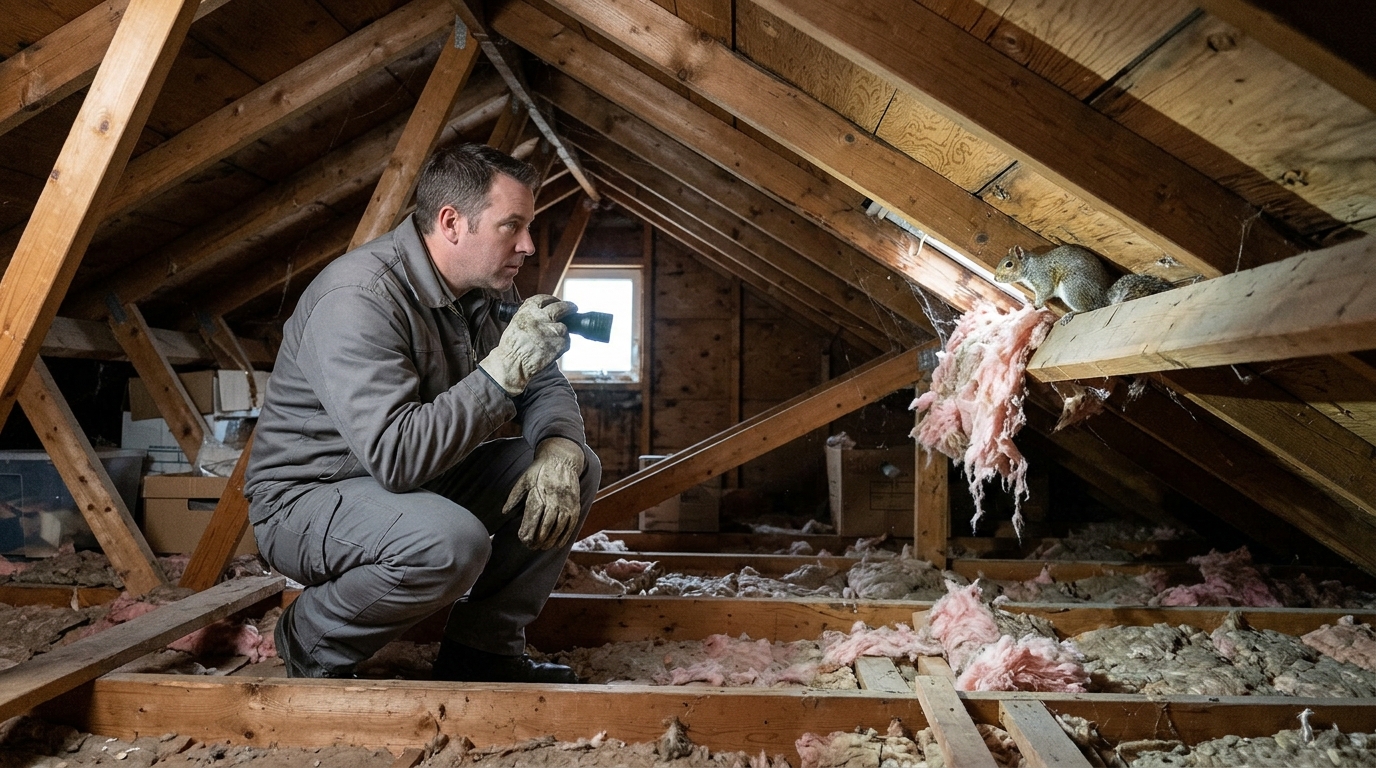
Attics and Ceilings
Attics can provide nesting material and protection from disturbances.
Scratching sounds, droppings and damaged insulation may indicate rodent activity. Roof rats are particularly associated with upper building spaces.
Walls and Structural Voids
Rats can move through suitable openings within building structures.
Activity inside walls can be difficult to locate without inspecting surrounding entry points and signs of movement.
Avoid cutting into walls without understanding the location of wiring, plumbing and other building components.
Garages and Storage Areas
Garages often contain cardboard boxes, stored materials and items that provide potential nesting opportunities.
Keep storage organized and avoid leaving accessible food, pet supplies or garbage in these areas.
How Can You Get Rid of Rats in Your House?
Effective rat control combines removal methods with sanitation and exclusion. The correct approach depends on the rodent species, location and extent of activity.
1. Identify Where Rats Are Active
Start by examining areas where you have noticed droppings, gnaw marks or movement sounds.
Look for possible entry points around:
Foundation walls.
Exterior doors.
Roof edges and soffits.
Utility pipes and cables.
Vents and drainage openings.
Garage doors.
Identifying the routes rats use can help determine where control measures should be concentrated.
2. Remove Food and Water Sources
Reduce access to materials that attract rodents.
Store dry food in tightly sealed containers.
Keep pet food properly stored.
Clean food spills and crumbs.
Secure garbage in containers with tight-fitting lids.
Repair leaking pipes and taps.
Avoid leaving food waste outdoors.
These measures make the property less attractive to rats.
3. Seal Suitable Entry Points
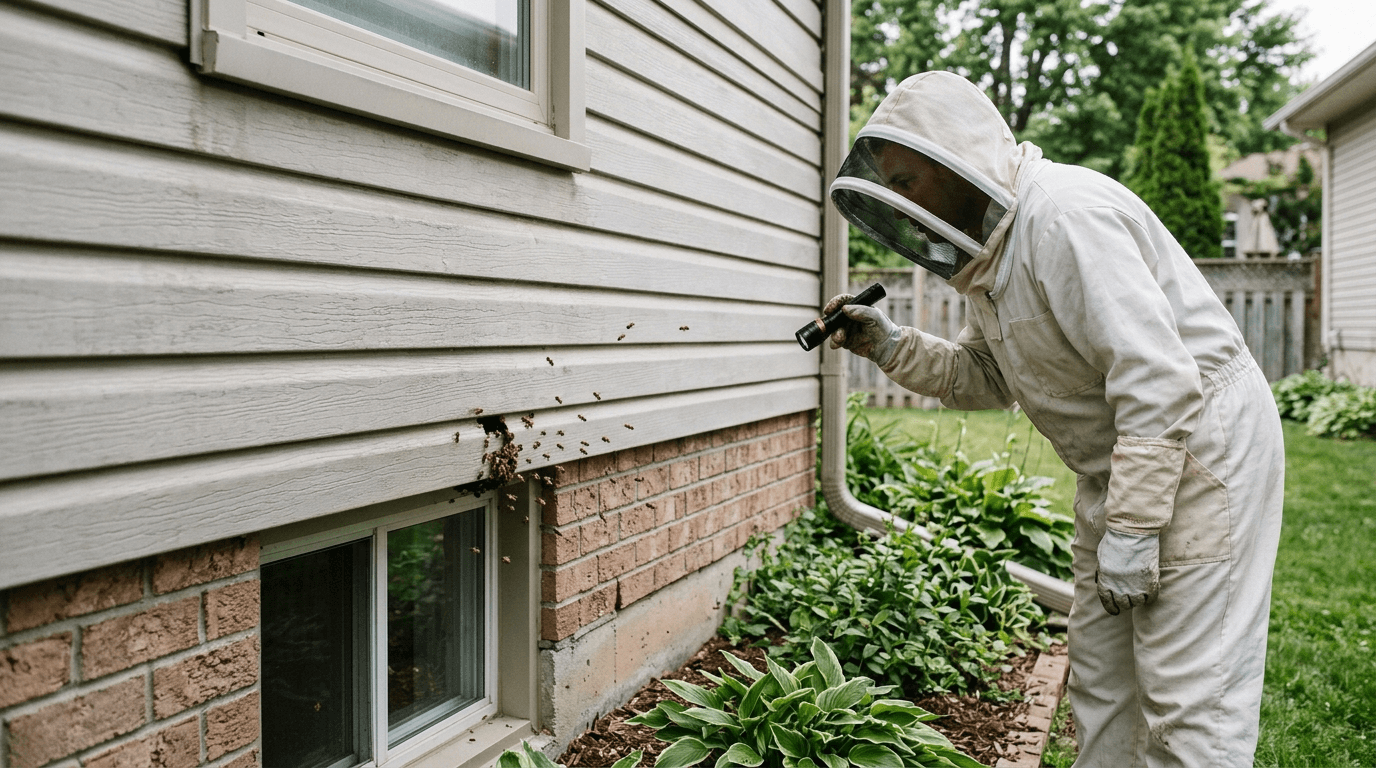
Inspect the exterior of your home for openings that could allow rodents inside.
Depending on the location, suitable repairs may involve durable metal screening, mesh, weatherstripping and appropriate building sealants.
Use materials suitable for the specific opening. Soft materials alone may not provide durable protection against rodent gnawing.
Before sealing an opening, make sure animals are not trapped inside the structure.
4. Use Appropriate Traps
Traps can help manage an existing rodent problem when selected and positioned correctly.
The type of trap should match the rodent and the location of its activity.
Follow the manufacturer’s instructions and check traps regularly. Keep trapping devices away from children, pets and areas where accidental contact could occur.
Avoid relying on traps alone if there are multiple nesting locations or unaddressed entry points.
5. Consider Professional Rat Control
Professional pest control may be appropriate when rat activity continues, nesting areas are inaccessible or the infestation involves several parts of the building.
A professional assessment can help determine the likely rodent species, identify access points and select suitable control measures.
For help with an ongoing rodent problem, visit Ultimate Pest Solutions’ rodent control service page.
How Can You Prevent Rats From Returning?
Preventing rats requires ongoing attention to building maintenance, food storage and outdoor conditions.
Consider these practical steps:
Inspect foundations and exterior walls for new gaps.
Repair damaged door sweeps and window seals.
Keep garbage containers securely closed.
Store pet food in sealed containers.
Remove unnecessary clutter from garages and basements.
Keep firewood raised and away from exterior walls.
Trim vegetation where it provides access to the building.
Repair leaks and eliminate unnecessary water sources.
Check vents and utility openings for damaged screening.
The Government of Ontario also recommends securing garbage, removing food sources and preventing rodents from accessing buildings. Its guidance is available through Ontario’s small-animal conflict prevention guidance.
Are Rats Dangerous to Your Home and Family?
Rats can create property and sanitation concerns because they may damage materials and contaminate food or surfaces with urine and droppings.
Potential concerns include:
Food contamination.
Damage to electrical wiring and insulation.
Gnawing damage to household materials.
Unpleasant odours from nesting areas.
Exposure to pathogens associated with rodents.
Cleaning suspected rodent contamination requires care. Health Canada advises avoiding direct contact with droppings and using appropriate protective measures.
Important cleaning precaution: Do not sweep or vacuum dry rodent droppings because this can disturb contaminated dust. Follow public health guidance for damp cleaning and disinfection, or seek professional assistance when contamination is extensive or in poorly ventilated spaces.
Canada+1
When Should You Call a Professional Rat Exterminator?
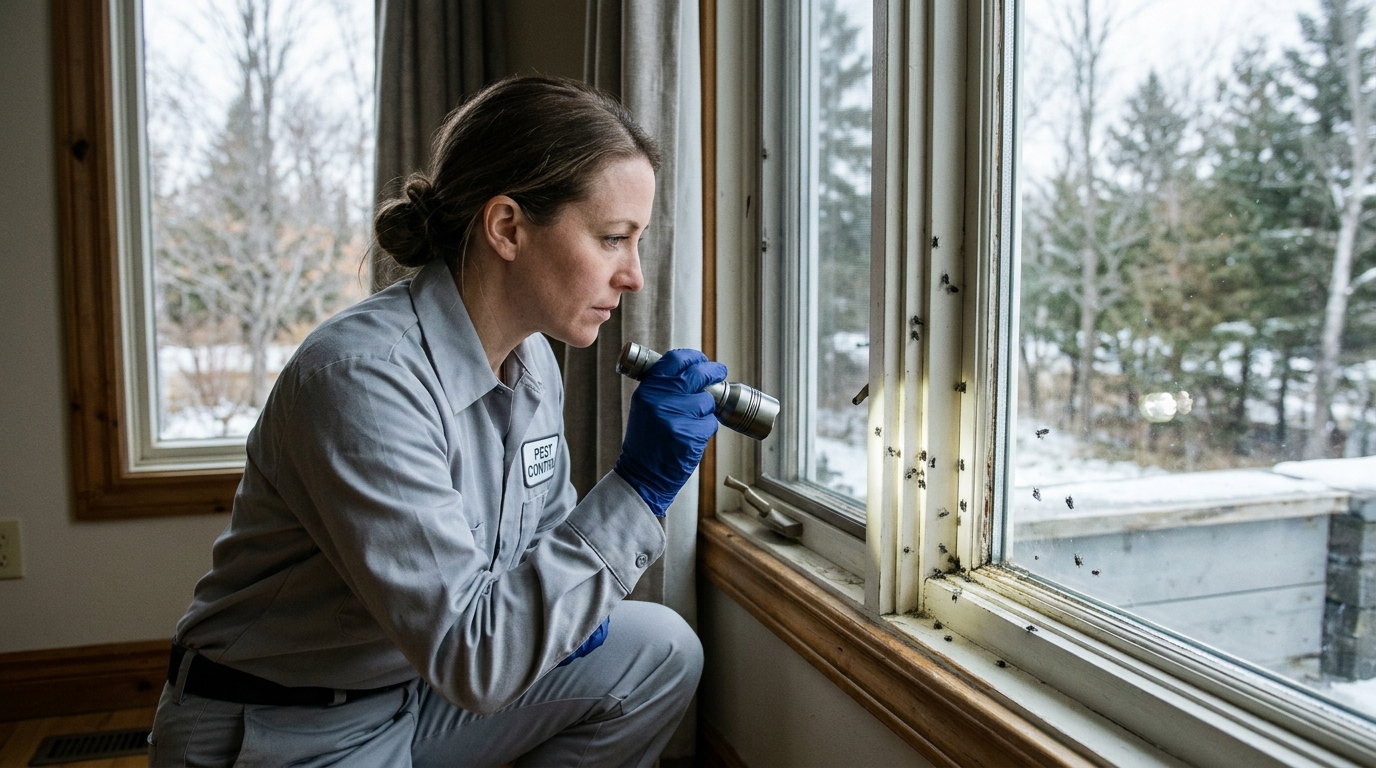
Professional assistance may be necessary when rat activity is persistent, widespread or difficult to locate.
Consider arranging an inspection when:
Rats continue appearing despite trapping.
You hear repeated movement inside walls or ceilings.
Droppings appear in multiple rooms.
You find suspected nesting material in inaccessible areas.
Rats are damaging wiring or building materials.
You cannot identify how rodents are entering the property.
A professional inspection can help distinguish rat activity from other rodent problems and determine the appropriate control and prevention approach.
Frequently Asked Questions
How do I know if I have rats or mice?
Rats are generally larger than mice. Dropping size, gnaw marks, tracks and other evidence can help with identification, but a proper assessment may be needed when the species is unclear.
Can rats enter a house through small holes?
Yes. Rats can use relatively small structural openings. Health Canada’s guidance notes that rats can enter through openings around the size of a quarter, so inspect foundations, vents and utility connections carefully.
Do rats live inside walls?
Rats can travel through suitable wall cavities and other concealed building spaces. These locations may also connect to nesting areas elsewhere in the property.
What attracts rats to a house?
Accessible food, water, garbage, shelter and suitable nesting materials can attract rats. Unsealed building openings make it easier for them to enter.
Can rats return after extermination?
Yes. Rats may return if entry points remain open or the surrounding property continues to provide food, water and shelter. Exclusion and sanitation are important parts of long-term prevention.
Conclusion
Getting rid of rats requires identifying their activity, locating possible nesting areas and addressing the conditions that allow them to survive inside a building. Trapping can help, but lasting control also depends on reducing food sources, repairing entry points and monitoring for further activity.
If you continue hearing scratching sounds, finding droppings or noticing property damage, consider a professional assessment before the problem spreads to additional areas.