Bees around a house can be concerning, especially when they gather near a doorway, roof, wall or outdoor living area. However, identifying the insect before taking action is essential. Bee removal is the process of safely addressing an unwanted bee colony or nesting situation while considering the species, nest location and potential risks.
Not every group of flying insects is a honeybee colony. Bumblebees, honeybees, carpenter bees and wasps have different nesting habits, and the appropriate response can vary. Spraying an unidentified nest may harm beneficial pollinators and may not resolve the underlying problem.
How Can You Identify Bees Around Your Home?
Observe the insects from a safe distance. Their appearance, flight behaviour and nesting location can provide clues, but a photograph taken from a safe position or an inspection by a knowledgeable professional may be needed for reliable identification.
Common distinctions include:
- Honeybees: Usually appear brownish or golden and may gather around a colony entrance or form a temporary swarm.
- Bumblebees: Often look rounder and noticeably fuzzy. Some species nest in sheltered cavities or underground spaces.
- Carpenter bees: May hover around wooden structures and create individual nesting tunnels in suitable wood.
- Wasps: Often have smoother bodies and a more defined narrow waist. Their nests may be made from a papery material.
These are general identification clues, not a substitute for species-level identification. Colour alone is not reliable because appearance varies between species.
The Ontario Beekeepers’ Association provides guidance for people who find honeybee swarms and explains why it is important to determine whether the insects are actually honeybees before arranging removal.
What Is the Difference Between Bees and Wasps?
Bees and wasps differ in appearance, behaviour and ecological role. Bees are important pollinators, while many wasps help control other insect populations. Both groups can sting when threatened, but their nesting patterns and management needs are not identical.
Honeybees generally live in colonies and produce wax comb. Bumblebees form seasonal colonies, often in sheltered cavities. Many wasps build nests from a paper-like material, although nesting habits vary across species.
Correct identification matters for three reasons:
- The removal method may differ by species.
- Some insects may be better managed through relocation or leaving a nest undisturbed.
- An unsuitable treatment can create unnecessary risks for people and beneficial insects.
If you are uncertain whether the insects are bees or wasps, avoid disturbing the nest until it has been identified.
Why Are Bees Entering Your House?
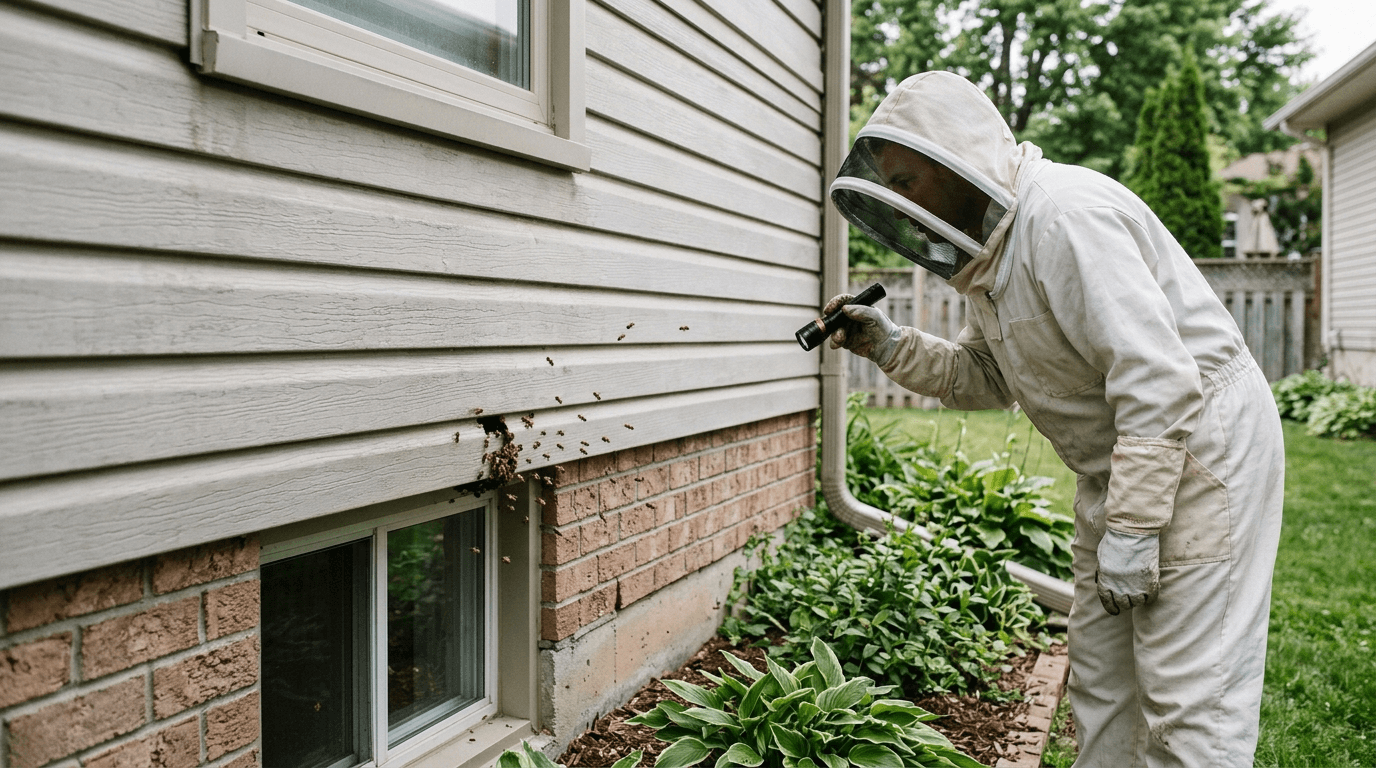
Bees may enter buildings when a suitable opening provides access to a sheltered nesting location. Wall cavities, roof spaces, gaps in exterior cladding and other protected areas can sometimes provide suitable conditions.
Signs of a possible colony include:
- Repeated insect activity around one opening
- Bees entering and leaving the same gap
- Buzzing sounds from a wall or ceiling
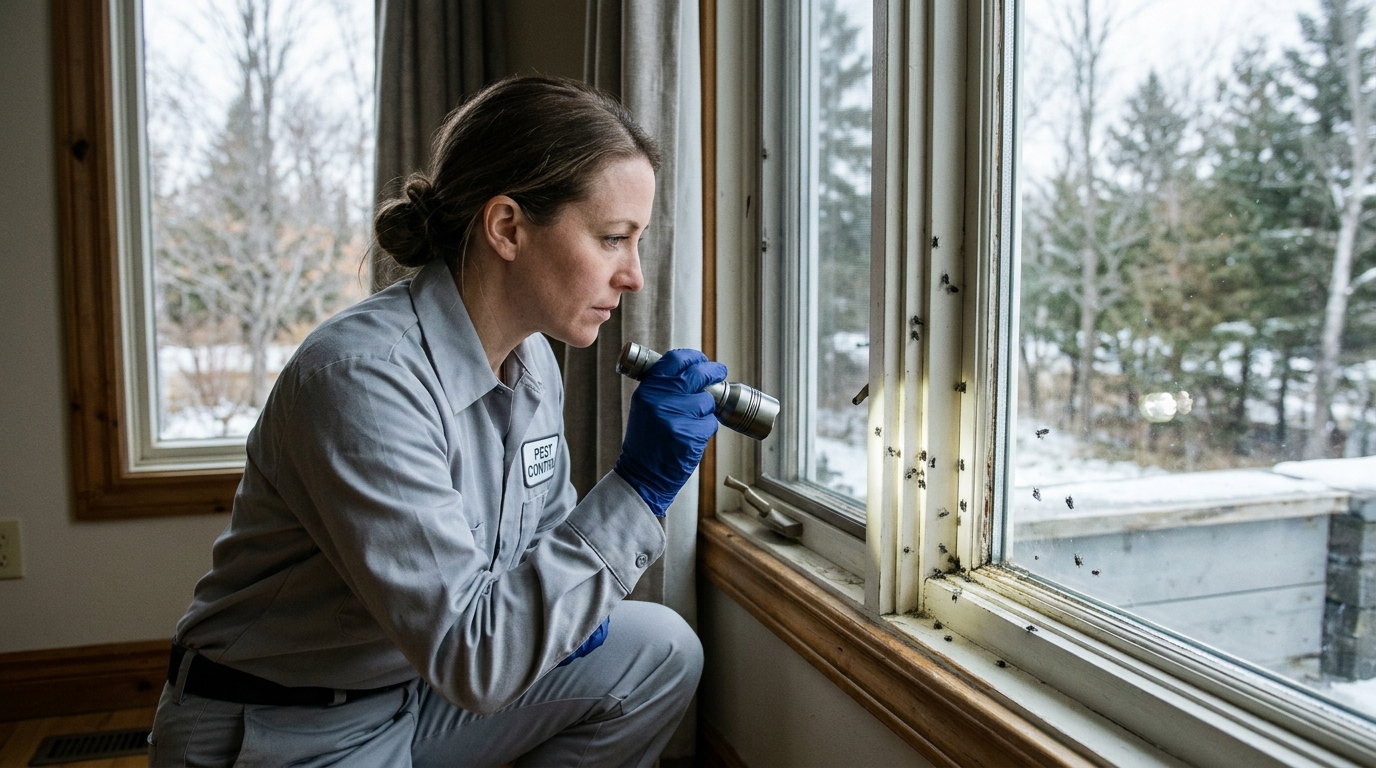
- Insects appearing indoors near a particular wall or window
- Visible comb or nesting material, if the area is already exposed
A few bees entering through an open window do not necessarily indicate a nest inside the property. Repeated traffic to the same exterior opening is a stronger reason to investigate.
Do not open a wall or roof cavity simply to look for a nest. Disturbing a colony can cause insects to become defensive and may spread honey, wax or nesting material into the structure.
How Can You Get Rid of Bees Safely?
The appropriate response depends on the species and whether the insects have formed a permanent colony, a temporary swarm or a small seasonal nest.
Start with these precautions:
- Keep children and pets away from the activity.
- Avoid hitting, spraying or blocking the nest entrance.
- Do not stand directly in the insects’ flight path.
- Keep windows and doors closed near the affected area.
- Observe the insects from a safe distance.
- Arrange identification before selecting a removal method.
A temporary honeybee swarm may leave on its own after a short period while scout bees locate a suitable permanent home. The Ontario Beekeepers’ Association advises people not to spray swarming honeybees and suggests contacting a local beekeeper or bee rescue service where appropriate.
A colony established inside a building can be more complicated. Honeycomb, wax and stored honey may remain inside the structure after the bees are removed. Incomplete cleanup can attract other insects or animals. Structural access and repairs may therefore be part of the work.
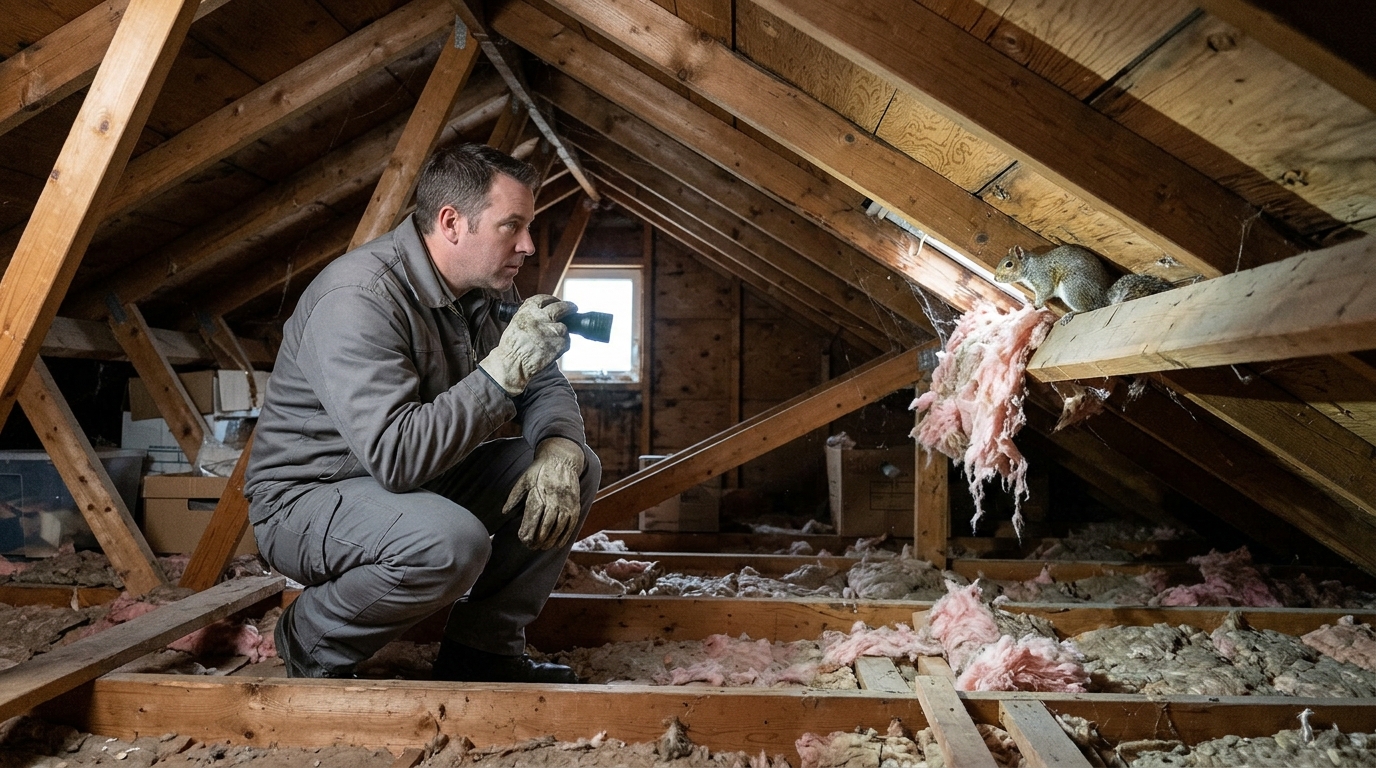
What Should You Do If Bees Build a Nest in Your Wall or Attic?
A nest inside a wall or attic requires careful assessment because the entrance may be visible while the colony itself remains concealed.
Do not seal the opening while insects are still using it. Blocking the entrance can trap insects inside and may cause them to seek another route into the building.
A suitable assessment should establish:
- Which insect species is present
- Whether the nest is active
- Where the colony is located
- Whether the structure needs to be opened
- Whether relocation is practical
- Whether comb, honey or nesting material needs to be removed
- Whether the opening requires repair after the work
The Ontario Beekeepers’ Association notes that honeybee colonies inside structures may require specialized work to remove bees, comb, honey and wax, followed by cleanup and potentially structural repair. Its guidance also distinguishes honeybees from bumblebees, carpenter bees and other insects that may not be handled by the same services.
How Much Does Bee Hive Removal Cost?
Bee hive removal cost depends on the species, nest location and amount of work required. A temporary swarm in an accessible location is different from an established colony inside a wall or roof.
Factors that may affect the estimate include:
- Whether the insects are honeybees, bumblebees or another species
- Whether the colony is temporary or established
- Height and accessibility of the nest
- Whether walls, siding or roof materials need to be opened
- Removal of comb, honey and wax
- Cleanup and repair requirements
- Follow-up work
Some beekeepers may collect accessible honeybee swarms, while colonies inside buildings can require specialized removal and cleanup. Ask the provider what is included before agreeing to the work. Do not assume that removing visible insects also removes the nest.
When Should You Contact a Bee Removal Professional?
Contact a suitable professional if insects repeatedly enter a wall, roof or attic, if a colony is close to a frequently used entrance, or if someone on the property has a known severe sting allergy.
The correct provider depends on the insect. A beekeeper or bee rescue service may be appropriate for an accessible honeybee swarm. A pest or wildlife professional with relevant experience may be needed for an established colony inside a structure. Confirm that the provider handles the species you have identified.
For general information about pest-related services, visit Ultimate Pest Solutions.
FAQs
How do I know if I have a bee nest in my wall?
Repeated bee activity around the same wall opening, buzzing sounds and insects appearing indoors near that location may indicate a nest. A professional identification is advisable before opening the wall.
Should I spray a bee nest?
Do not spray an unidentified nest. First establish whether the insects are honeybees, bumblebees or wasps and determine the safest suitable response.
Do honeybees leave a swarm on their own?
A temporary swarm may move on after scout bees locate a permanent nesting site. Avoid disturbing it and contact a local beekeeper if it is in an unsuitable location.
Can a bee hive inside a wall be removed?
It may be possible, but the work can require access to the wall cavity, removal of comb and honey, cleanup and repairs. The method depends on the colony and building structure.
Are bees and wasps the same?
No. Bees and wasps are different groups of insects with different physical features, nesting habits and ecological roles.
Conclusion
Safe bee removal starts with correct identification. Honeybees, bumblebees and wasps should not be treated as interchangeable pests. A temporary swarm may need a different response from a colony established inside a wall or roof. Avoid disturbing or sealing an active nest, and arrange an assessment when the species or nest location is uncertain. A suitable removal plan should consider both the insects and any comb, honey or nesting material left inside the structure.