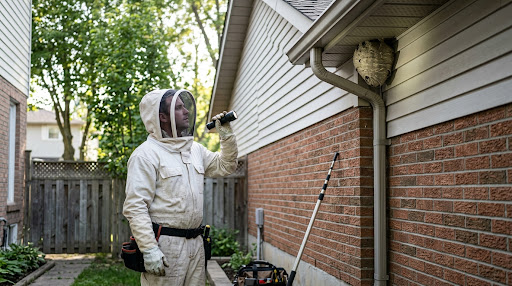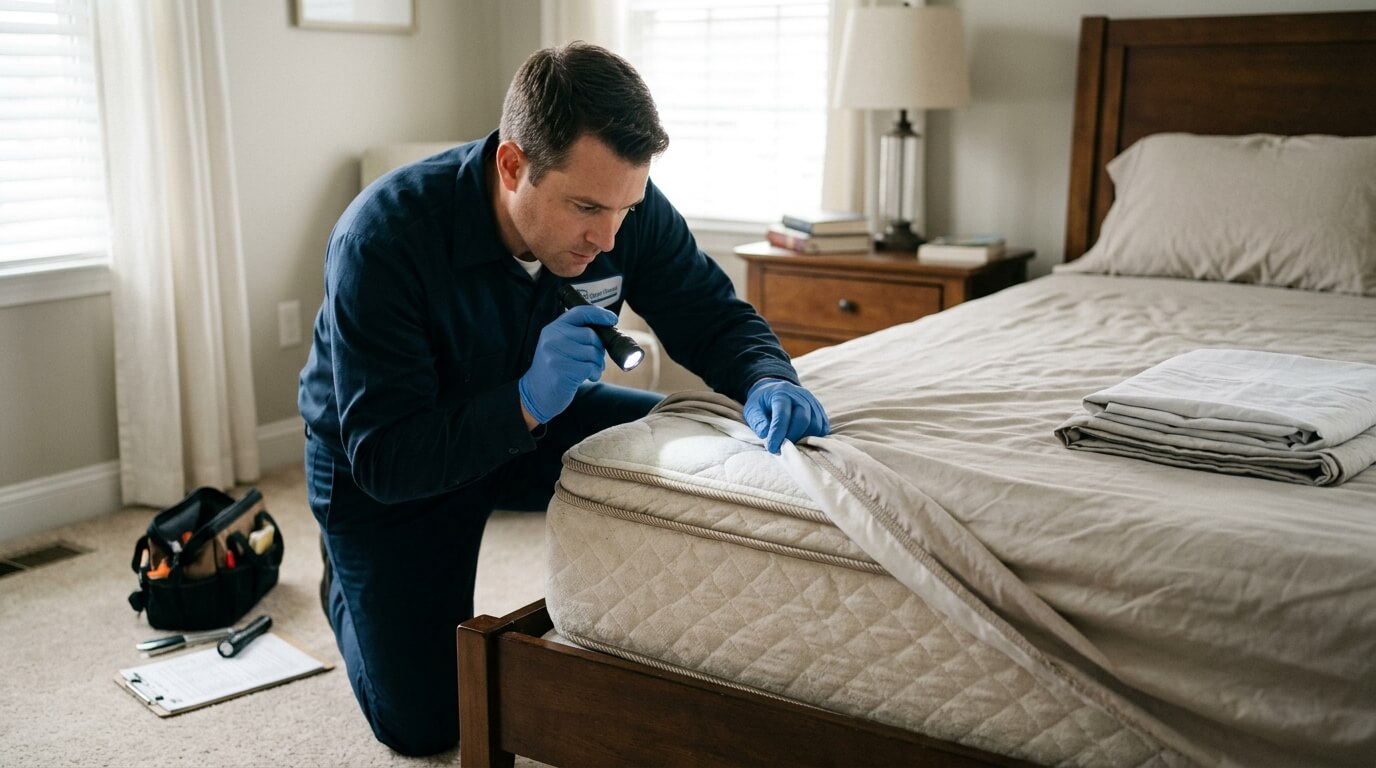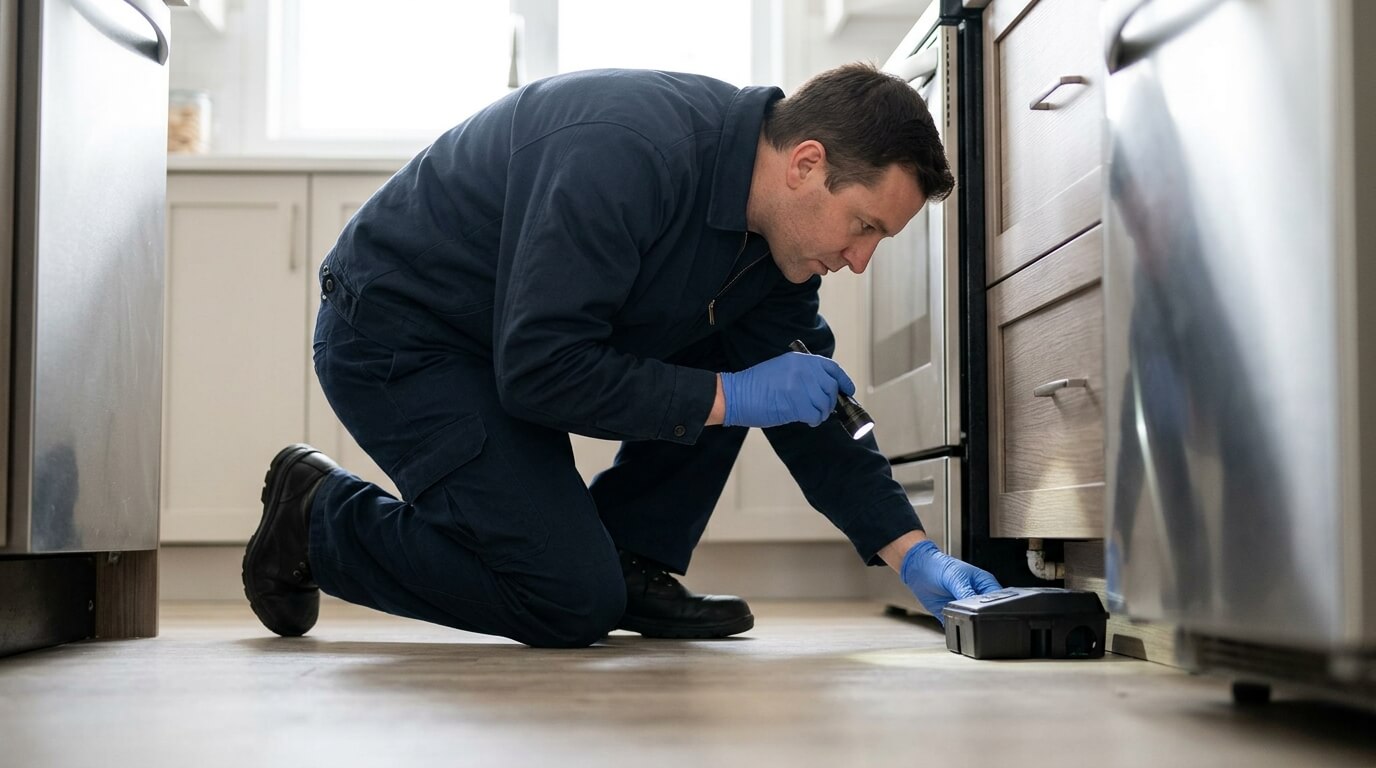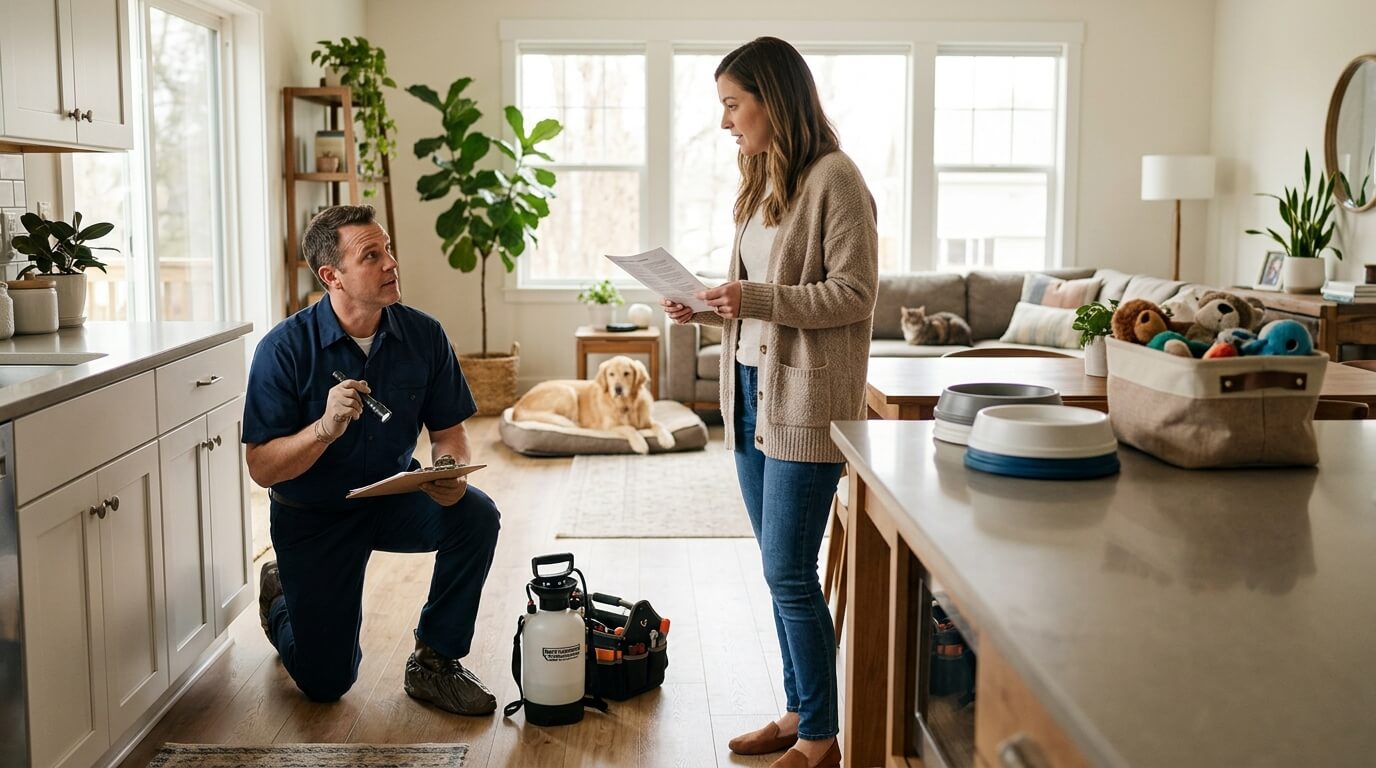
To choose a pet-safe pest control company, look for a provider that can explain its treatment methods, product labels, application locations, re-entry precautions, and alternatives such as Integrated Pest Management.
A pet-safe pest control program is a pest-management approach that reduces unnecessary exposure to pets while using appropriate methods to control the target pest effectively.
Pet-safe does not necessarily mean chemical-free or non-toxic. Pesticides are designed to control living organisms, so the practical goal is to use the appropriate product or method correctly, minimize unnecessary exposure, and follow the label’s safety requirements.
Health Canada notes that pesticide risk depends on factors including toxicity and exposure, and recommends removing pets and their belongings from areas being treated and keeping pets away until the appropriate re-entry conditions are met.
Why Does Pet Safety Matter During Pest Control?
Pets can have different exposure patterns from people because they may spend more time close to floors, investigate objects by sniffing or licking, and come into contact with treated surfaces.
Health Canada specifically notes that cats and dogs are closer to the ground and may sniff or taste substances in their environment.
That is why choosing a pest control company should involve more than asking whether a treatment is safe for pets. Ask how exposure will be minimized and exactly what precautions the technician recommends.
The answer should be specific rather than simply reassuring.
What Should You Ask a Pest Control Company About Pet Safety?
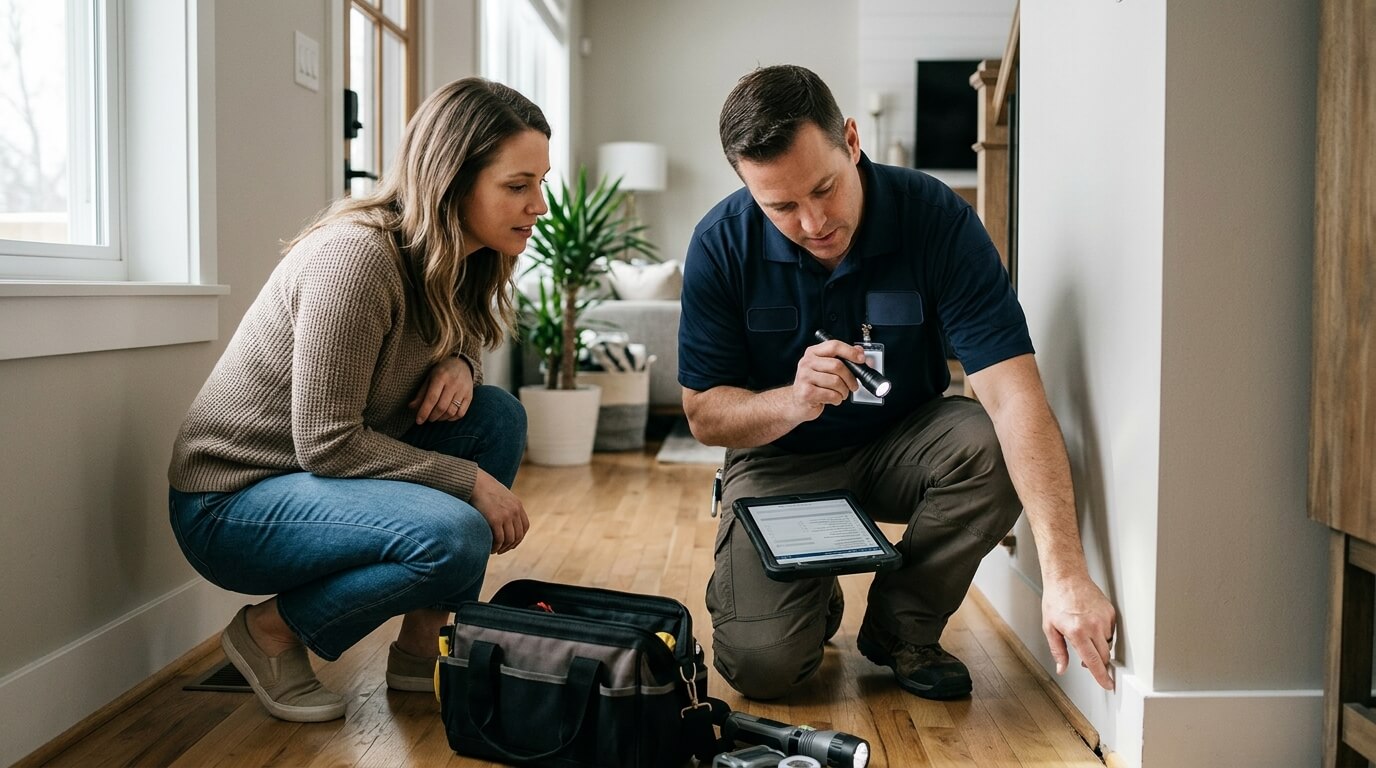
Ask the company to explain the treatment and precautions before approving service.
Important questions include:
- What pest has been identified?
- What treatment is being recommended?
- Where will the treatment be applied?
- What product or active ingredient is involved?
- What does the product label require?
- Should pets be removed from the area?
- When can pets safely return?
- Should pet food, water bowls, toys, bedding, or cages be removed?
- Are there ventilation requirements?
- Are there precautions for aquariums, birds, reptiles, or other animals?
- Are there non-chemical or lower-exposure methods that can be used?
Health Canada specifically advises removing pets, pet toys, food bowls, bedding, and other pet items from areas being treated and keeping pets away during application and until the area is safe to re-enter according to the label.
A company that communicates these precautions clearly demonstrates a more useful safety process than one that simply says a treatment is pet friendly.
Is Non-Toxic Pest Control Really Non-Toxic?
The term non-toxic pest control can be misleading without context.
A product or treatment should not be considered automatically risk-free merely because it is advertised as natural, botanical, green, organic, or non-toxic. Safety depends on the specific product, how it is used, where it is applied, and the degree of exposure.
This distinction matters when comparing companies that advertise non-toxic treatments.
A better question is:
What is the specific treatment, why is it needed, how will exposure be limited, and what precautions does the label require?
The U.S. EPA describes Integrated Pest Management as an approach that considers pest biology, prevention, monitoring, and control options while selecting appropriate methods and minimizing unnecessary hazards.
That provides a stronger framework for evaluating a service than relying on a marketing label alone.
What Is Integrated Pest Management for Pet-Safe Pest Control?
Integrated Pest Management, or IPM, is a science-based pest-management approach that combines prevention, monitoring, identification, and targeted control.
The U.S. EPA’s IPM principles explain that IPM uses multiple appropriate methods and does not rely exclusively on pesticides.
For a household with pets, an IPM approach may involve:
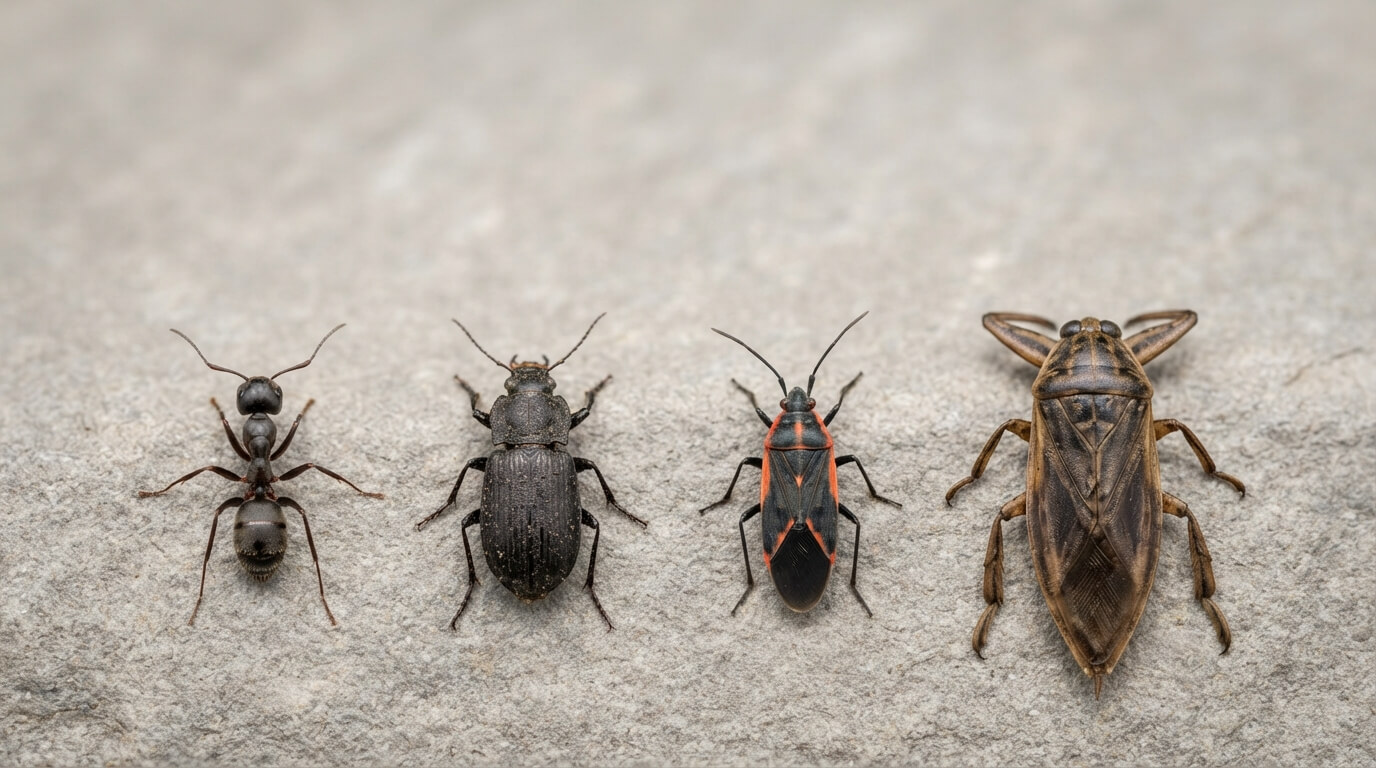
- Identifying the pest accurately.
- Finding entry points and sealing them.
- Removing food and water sources.
- Reducing clutter or hiding places.
- Correcting moisture problems.
- Monitoring pest activity.
- Using mechanical or physical controls where appropriate.
- Using targeted pesticide applications when necessary.
The U.S. Centers for Disease Control and Prevention describes IPM as a science-based approach focused on preventing pest problems, keeping pests out, and using effective control methods when pests are confirmed.
How Can You Evaluate a Pest Control Company for Pet Safety?
A company worth considering should be willing to discuss both treatment effectiveness and exposure reduction.
Look for a provider that:
Explains the treatment clearly. You should understand what will happen before service begins.
Uses targeted methods. IPM favors appropriate, targeted controls over unnecessary broad treatment.
Provides re-entry instructions. You should know when pets can return and whether ventilation or other steps are necessary.
Discuss your specific animals. A household with a dog has different practical considerations from one with cats, birds, fish, reptiles, or other pets.
Follow product labels. Health Canada advises using pesticides only for their labeled purpose and following all label directions and precautions.
What Does Pet-Safe Pest Control Look Like in Practice?
Pet-safe pest management often begins by reducing the need for pesticide exposure in the first place.
For example, if ants are entering through a crack, sealing the entry point and eliminating accessible food can be part of the solution. If rodents are entering through structural gaps, exclusion and sanitation can address the underlying conditions.
The same principle applies to other pests: the goal is not simply to kill what you can see but to understand why the infestation is occurring.
The CDC notes that successful IPM considers pest behavior, the environment, and the activities of the people sharing the space.
What Should You Do With Pets Before Pest Control Treatment?
Follow the technician’s instructions and the product label exactly.
Common precautions can include removing pets from the treatment area, taking away food and water bowls, removing toys and bedding, and keeping animals away until the area is cleared for re-entry.
Health Canada also recommends covering fish tanks and taking special precautions around bait products because pets can sometimes access or consume them.
Do not guess about the re-entry period. Ask the technician and check the applicable product instructions.
Is Eco-Friendly Pest Control the Same as Pet-Safe Pest Control?
No. Eco-friendly and pet-safe describe different considerations.
An environmentally sensitive pest-management strategy considers effects beyond the immediate treatment area. Pet safety focuses specifically on reducing risks to domestic animals.
IPM can support both goals because it emphasizes prevention, monitoring, targeted controls, and selecting appropriate methods rather than automatically applying broad pesticide treatments.
However, a company should still explain the specific treatment rather than relying solely on terms such as green or eco-friendly.
How Can You Choose the Right Pet-Safe Pest Control Company?
Start by comparing the company’s answers, not just its advertising.
Ask each provider:
- How will you identify the pest?
- What is causing the infestation?
- What non-chemical prevention methods can be used?
- Does your company use IPM?
- What treatment do you recommend and why?
- What product will be used, if any?
- What precautions are required for pets?
- How long must pets stay away?
- What should be removed from the treatment area?
- What follow-up or monitoring is included?
A provider that answers these questions clearly gives you a better basis for making a decision.
For homeowners who want professional pest-management support, Ultimate Pest Solutions is a natural internal resource to review alongside your own comparison of service options.
FAQs About Pet-Safe Pest Control Companies
What is the safest pest control for homes with pets?
There is no single treatment that is automatically safest for every pest or household. The appropriate approach depends on the pest, property, treatment area, product, application method, and exposure conditions.
Are non-toxic pest control treatments always safe for pets?
No. Non-toxic is not enough information to determine safety. Ask for the specific treatment, application method, label precautions, and pet re-entry instructions.
Can pest control be done without pesticides?
Some pest problems can be reduced through exclusion, sanitation, traps, monitoring, habitat modification, and other non-chemical methods. IPM combines these methods with pesticide use when appropriate rather than assuming pesticides are always the first or only option.
How long should pets stay away after pest control?
The correct re-entry period depends on the specific treatment and product instructions. Follow the product label and the pest professional’s instructions rather than relying on a generic time period. Health Canada advises keeping pets out of treated areas until the applicable safety conditions are met.
Final Conclusion
Knowing how to choose a pet-safe pest control company starts with looking beyond claims such as natural, green, or non-toxic.
Choose a provider that identifies the pest accurately, explains the treatment, considers prevention and IPM, follows applicable product-label requirements, and gives clear instructions for protecting pets before, during, and after service.
The strongest approach is not simply to ask whether a company uses chemicals. Ask whether the company can solve the pest problem effectively while using the most appropriate methods and minimizing unnecessary exposure.