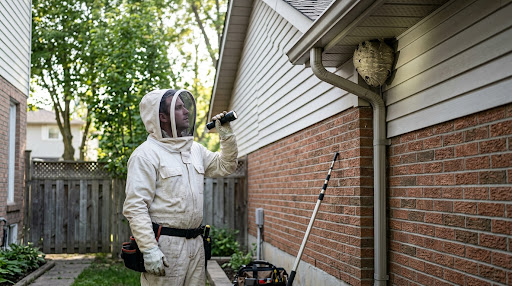
Hotels need more than occasional pest treatments. Frequent guest turnover, luggage, food service, deliveries, laundry, waste areas, plumbing, and multiple entry points create different pest risks throughout a property. Effective pest control in hotel industry settings combines prevention, routine inspection, staff awareness, monitoring, sanitation, structural maintenance, and targeted treatment.
The goal is not simply to eliminate pests after they appear. A stronger approach identifies conditions that allow pests to enter or survive and addresses those conditions before a small problem becomes harder to manage.
Why Are Hotels Vulnerable to Pest Problems?
A hotel contains several environments within one property. Guest rooms create different risks from kitchens, loading docks, laundry rooms, storage spaces, or waste areas.
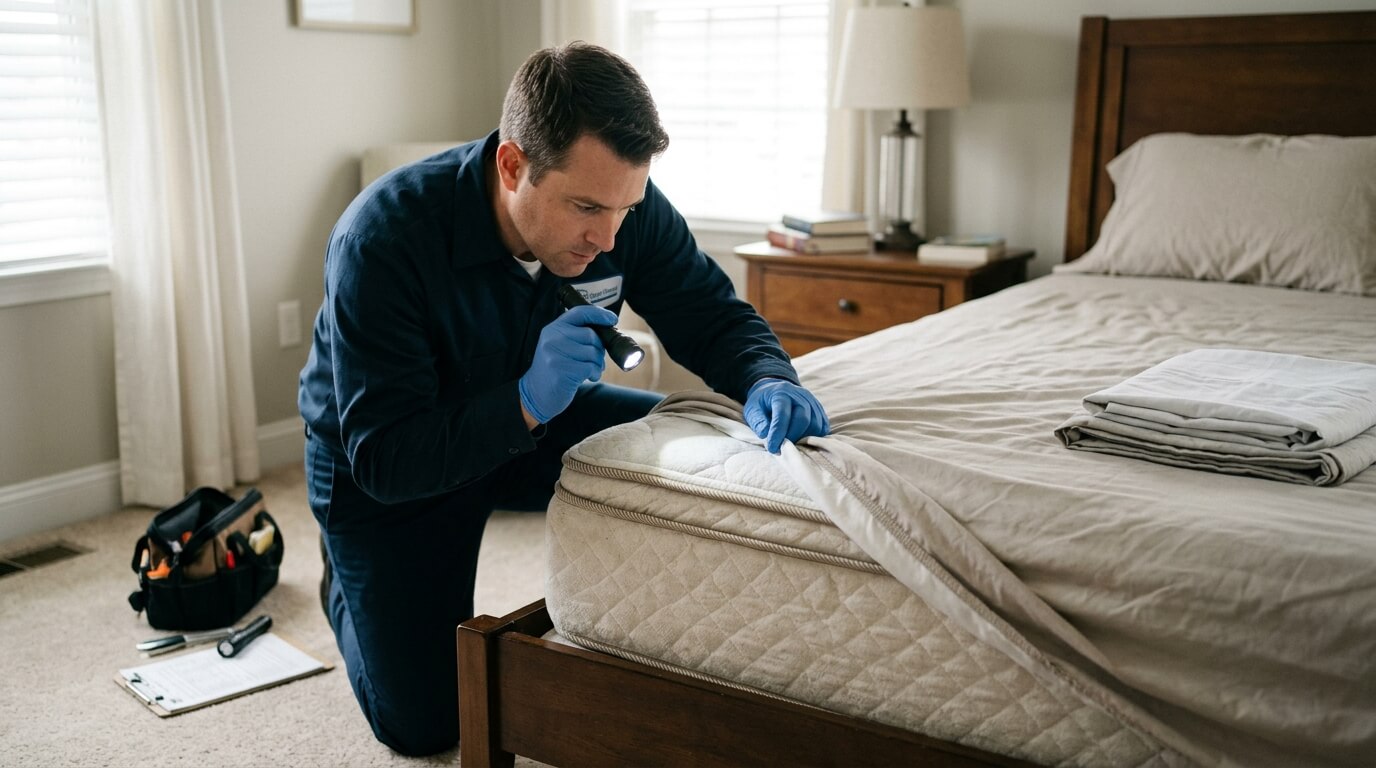
Bed bugs, for example, can be transported in luggage, clothing, and personal belongings. Health Canada advises travellers to inspect hotel mattresses, box springs, headboards, bed frames, luggage stands, and nearby cracks because these insects can hide in very small spaces.
Cockroaches have different needs. They are attracted to areas where food, water, warmth, and shelter are available. Health Canada specifically identifies hotel rooms, restaurants, kitchens, bathrooms, basements, and plumbing areas among environments where German cockroaches may occur.
Understanding these differences helps hotel teams choose prevention measures based on the pest rather than using one response for every problem.
What Are the Most Common Pests in Hotels?
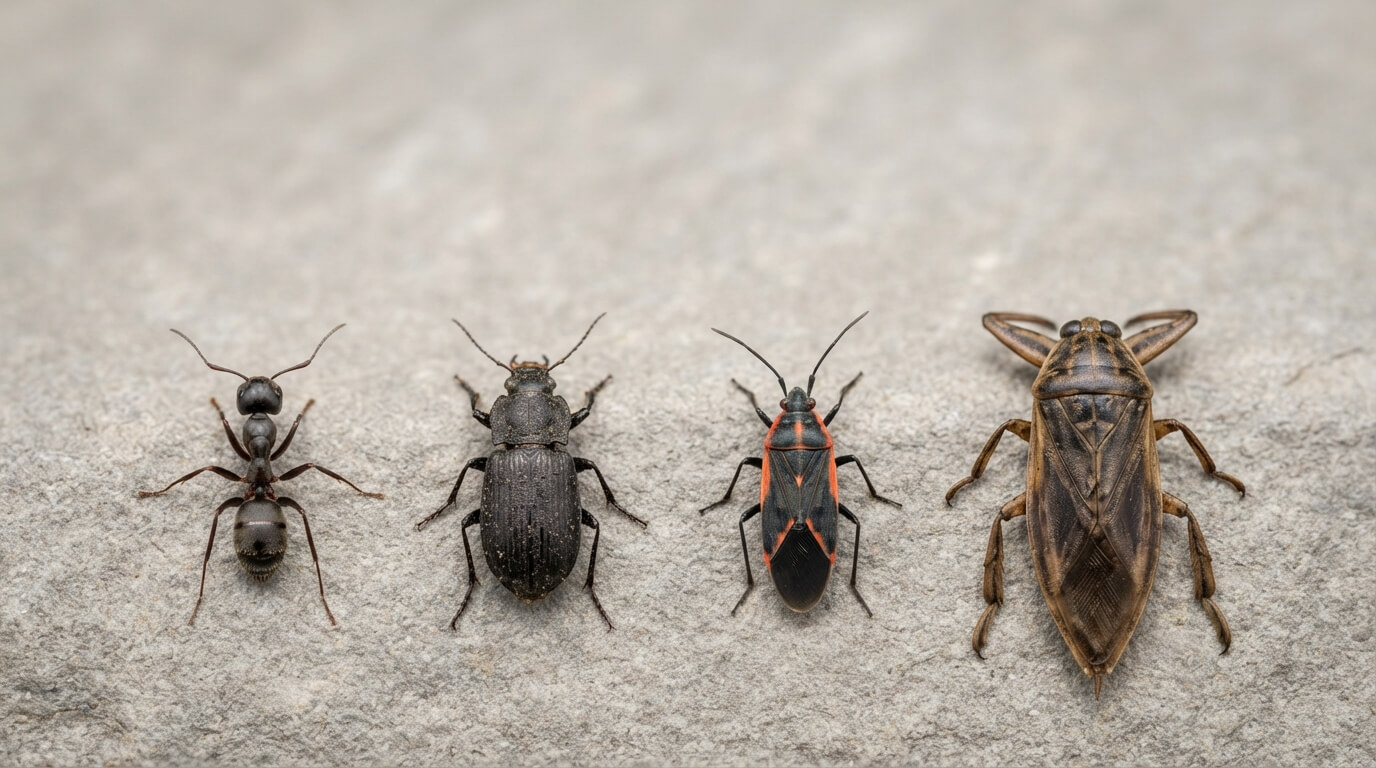
The common pests in hotels depend on the property’s location, design, food operations, season, and previous pest activity. However, several groups deserve regular attention.
| Pest | Higher-Risk Areas | Possible Warning Signs |
| Bed bugs | Guest rooms, beds, upholstered furniture | Live insects, dark spotting, shed skins |
| Cockroaches | Kitchens, bathrooms, plumbing areas | Droppings, egg cases, nighttime sightings |
| Mice and rats | Storage, loading docks, waste areas | Droppings, gnaw marks, damaged packaging |
| Flies | Kitchens, drains, waste areas | Repeated adult fly activity |
| Ants | Food areas, rooms, wall openings | Trails and repeated activity near food or moisture |
A single sighting does not always reveal the size of a problem. Its location, pest species, frequency, and surrounding conditions should all influence the response.
How Does Integrated Pest Management Work in Hotels?
Integrated Pest Management (IPM) combines prevention, monitoring, identification, physical controls, sanitation, structural improvements, and appropriate treatment instead of depending on pesticide applications alone.
A practical process for integrated pest management for hotels can follow these steps:
- Inspect areas where pest activity is most likely.
- Identify the pest accurately.
- Find contributing conditions, such as moisture, food residue, waste, or entry gaps.
- Correct those conditions where practical.
- Monitor pest activity with suitable devices and documented inspections.
- Use targeted controls appropriate to the pest and location.
- Reinspect to determine whether the measures worked.
- Record recurring activity so patterns can be identified.
The EPA describes bed bug IPM as the use of multiple methods, including chemical and non-chemical approaches, rather than relying on one treatment method.
For hotels, this approach also helps different departments understand their role in prevention.
Why Does Bed Bug Control Need a Specific Response?
Effective bed bug control in hotels begins with early reporting and careful inspection.
Because bed bugs can travel with guests and belongings, housekeeping staff should know how to recognize possible signs around mattresses, headboards, bed frames, upholstered furniture, and nearby cracks. Suspected items should not be moved unnecessarily from one area to another before the situation is assessed.
Health Canada describes bed bugs as difficult to eliminate and strongly recommends professional pest-control assistance when an infestation is established. It also notes that physical controls and preventive measures need to work together with treatment.
Follow-up monitoring matters as well. A room should not simply be assumed pest-free because no insects are visible immediately after treatment.
How Can Hotels Reduce Cockroach and Rodent Risk?
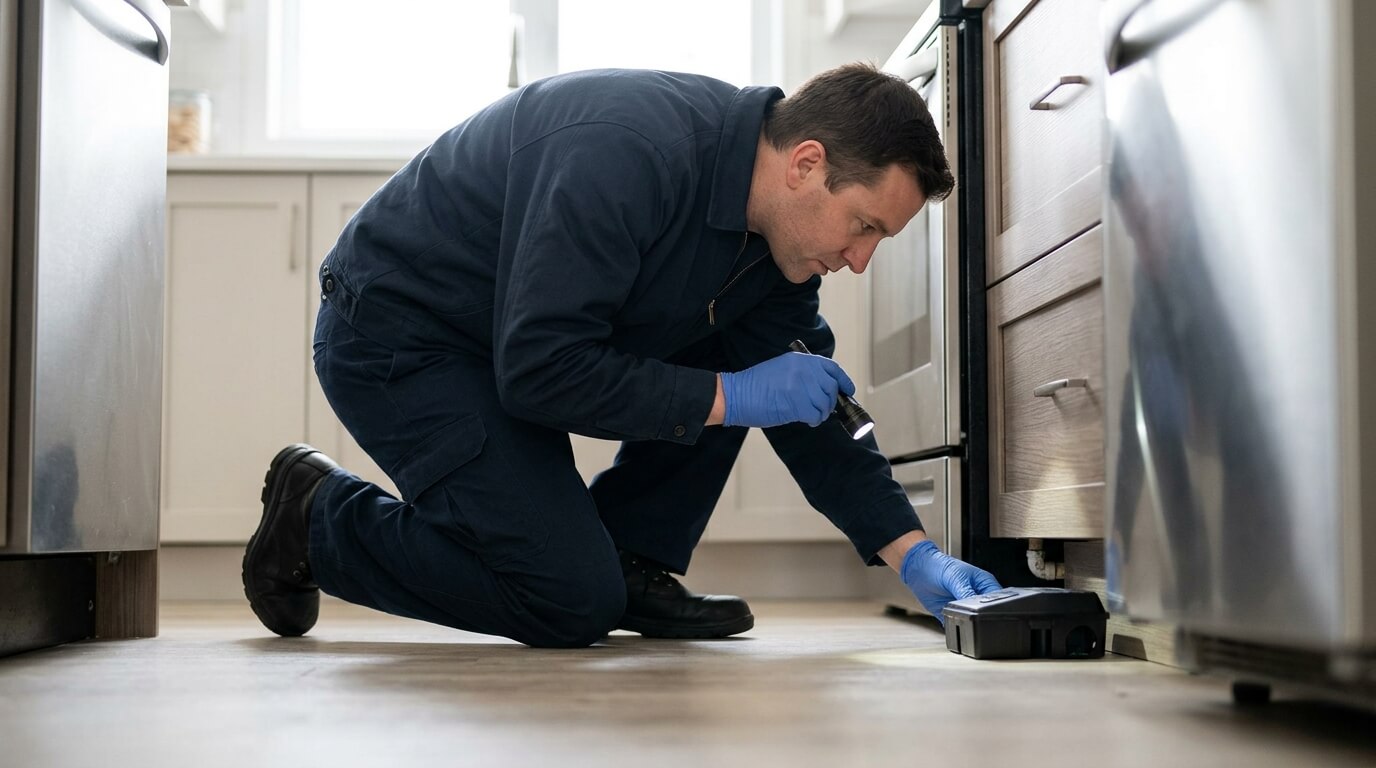
Cockroach and rodent prevention depends heavily on removing food, moisture, shelter, and access.
Useful hotel practices include:
- cleaning food spills promptly;
- keeping food in suitable sealed containers;
- maintaining clean waste areas;
- repairing leaking pipes and faucets;
- reducing standing water and excess moisture;
- organizing storage areas so they can be inspected;
- sealing cracks and openings around pipes;
- maintaining tight-fitting doors and damaged structural areas.
Health Canada recommends combining environmental changes and cleaning with appropriate cockroach controls because pesticides alone do not correct the conditions supporting an infestation.
The Canadian Food Inspection Agency also emphasizes that pest control in hotel settings should include pest-proof building maintenance, sanitation, monitoring, protected waste storage, well-maintained loading areas, and inspection for signs such as droppings, damaged packaging, chew marks, and pest sightings. Hotels in Toronto, Mississauga, Vaughan, Brampton, and Markham can click here to check pest control services available in their area.
Which Hotel Areas Should Be Monitored Most Closely?
Pest inspection and monitoring should be based on risk.
Housekeeping teams can observe guest rooms and furniture. Food-service staff should watch kitchens, food storage, drains, and waste areas. Maintenance teams can inspect plumbing, doors, cracks, pipe penetrations, and exterior openings. Loading and receiving areas also deserve attention because goods and packaging regularly enter the building.
The CFIA recommends monitoring establishments for signs including live pests, droppings, damaged packaging, chew marks, webbing, and unusual animal odours. It also recommends documenting pest-control activities and corrective actions.
Good records can help a hotel distinguish an isolated incident from repeated activity in the same location.
What Should Hotel Staff Do When They Find a Pest?
A simple response process can prevent confusion:
Report → Document → Inspect → Identify → Correct → Treat → Monitor → Verify
Employees should report suspected activity through a defined internal process rather than improvising treatment.
Moving contaminated materials, applying an unsuitable pesticide, or cleaning away evidence before an inspection can make the situation harder to evaluate. The appropriate response should depend on the pest, affected location, extent of activity, and whether food-handling areas are involved.
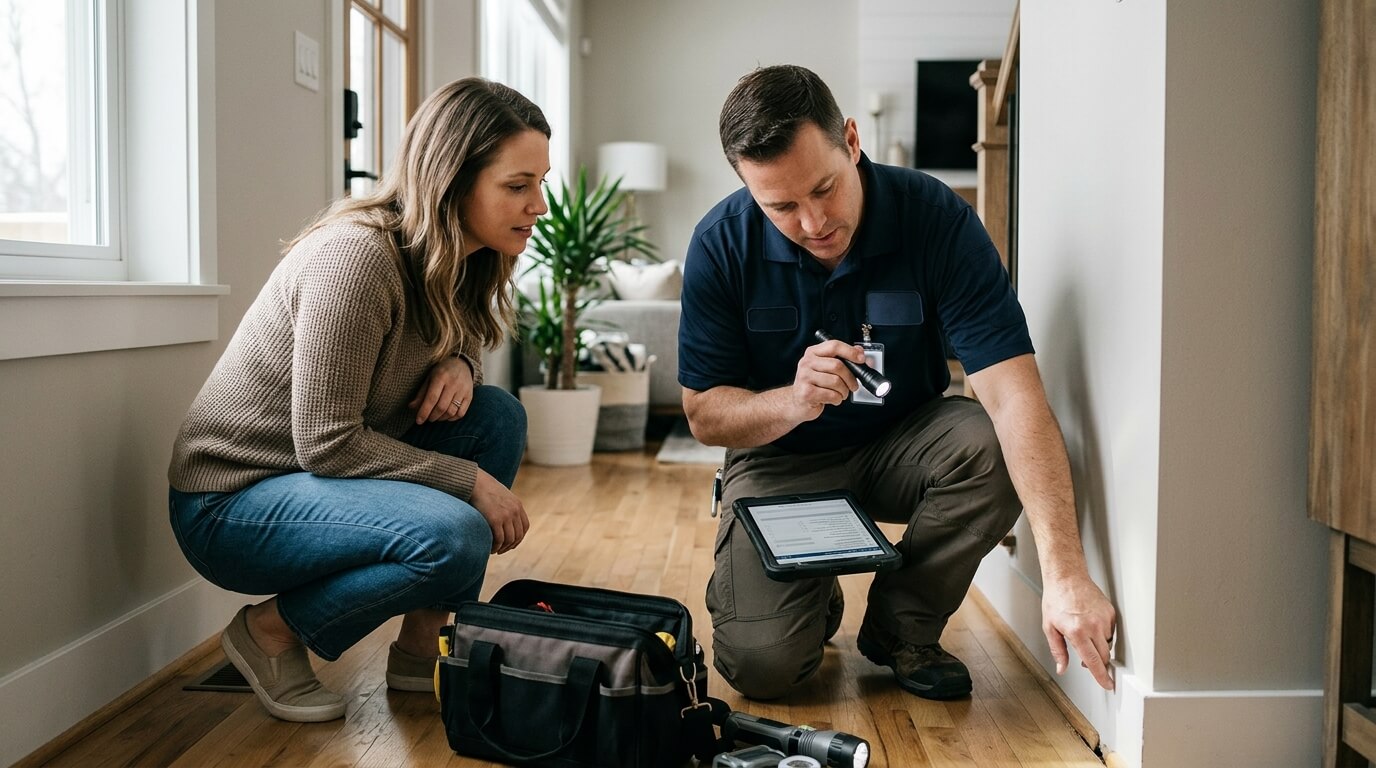
In a real hotel setting, the first warning may come from a housekeeper noticing dark spotting near a mattress seam, a kitchen employee seeing repeated cockroach activity near a drain, or maintenance staff finding rodent droppings near a storage area. Staff should document the location, report it promptly, avoid disturbing the area unnecessarily, and arrange an inspection of nearby rooms or service spaces where relevant.
How Does Hotel Hygiene and Sanitation Support Pest Prevention?
Hotel hygiene and sanitation cannot prevent every pest from entering a property, but they can remove many of the resources that allow pests such as cockroaches, rodents, flies, and ants to establish themselves.
Hotel teams should pay particular attention to food residue, garbage, standing moisture, poorly maintained drains, cluttered storage areas, and inaccessible spaces behind equipment.
For hotel kitchens and other food areas, the CFIA notes that pests can contaminate food, food-contact surfaces, equipment, and packaging, which makes prevention and monitoring especially important.
When Should a Hotel Contact a Pest-Control Professional?
Professional assistance for pest control in hotel industry settings becomes especially important when the pest cannot be confidently identified, activity keeps returning, several rooms or departments may be affected, or specialized treatment is required.
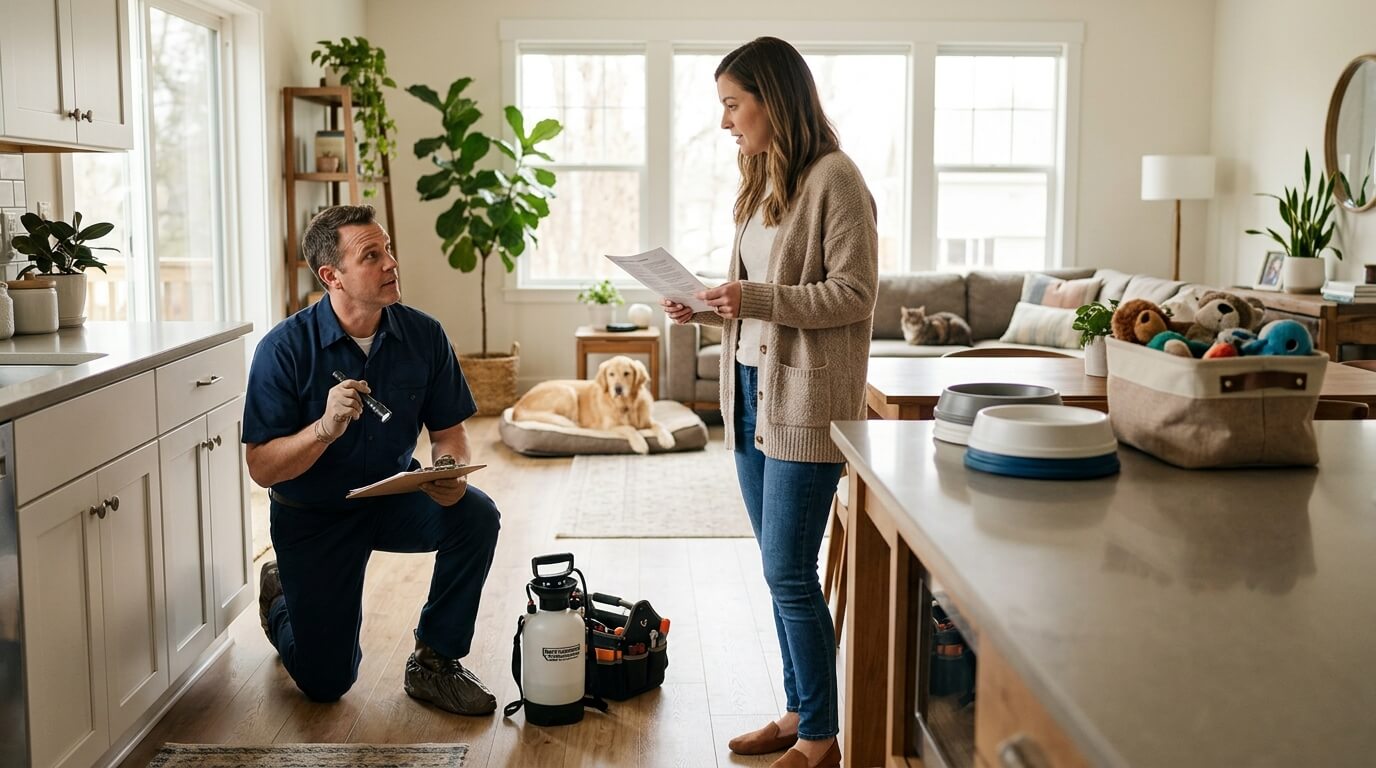
A useful commercial service should begin with assessment rather than automatically applying the same treatment everywhere. Inspection findings should help determine contributing conditions, suitable controls, monitoring needs, and follow-up.
Hotel operators in Toronto and surrounding areas looking for commercial pest-control support can review the services available from Ultimate Pest Solutions at https://ultimatepestsolutions.ca/. The company states that it provides pest-control services for residential and commercial properties in Toronto and surrounding GTA areas.
Frequently Asked Questions
Is Finding a Bed Bug Proof That a Hotel Has Poor Hygiene?
No. Bed bugs can enter properties in luggage, clothing, and other belongings. Sanitation remains important in hotel operations, but bed bug introduction requires its own inspection and management strategy.
How Often Should Hotels Have Pest Inspections?
There is no single frequency suitable for every hotel. Inspection schedules should reflect factors such as previous pest activity, property size, food operations, monitoring results, season, and the risks associated with individual areas.
Is Routine Spraying Enough for Hotel Pest Control?
Not necessarily. Long-term management may require sanitation, exclusion, pest identification, monitoring, structural repairs, physical controls, and targeted pesticide use where appropriate. This is the principle behind IPM.
Which Hotel Employees Should Be Involved in Pest Prevention?
Pest prevention works best as a shared responsibility. Housekeeping can identify room-level warning signs, maintenance can address moisture and structural openings, food-service teams can manage sanitation risks, and management can oversee reporting, records, and professional service.
Conclusion
Effective pest control in hotel industry operations is a continuous management process, not simply a reaction to a guest complaint. Hotels can reduce pest risk by combining inspection, monitoring, sanitation, maintenance, staff reporting, accurate pest identification, and professional intervention when required.
A well-organized IPM program also helps hotel teams understand where problems originate and whether corrective actions are actually working. That makes pest management more preventive, measurable, and appropriate for the different environments found throughout a hotel.