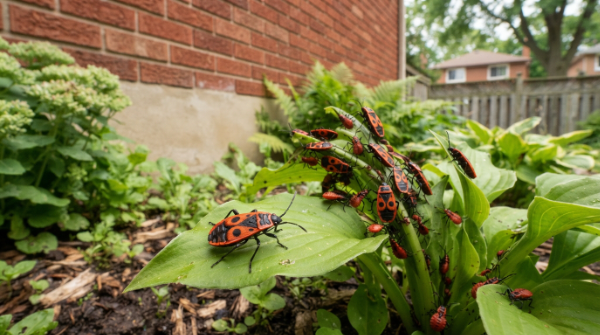
Cockroaches can survive in many indoor environments, especially where they can find food, moisture, warmth, and shelter. Cockroach control in Toronto starts with identifying the signs of activity, removing conditions that support cockroaches, and using an appropriate control strategy when an infestation is confirmed.
A single sighting does not always reveal the size of a problem, but repeated sightings, droppings, egg cases, shed skins, or cockroaches appearing during the day can indicate that further investigation is needed. Toronto Public Health – Pest Control in Food Premises notes that cockroaches commonly hide in warm, damp areas such as kitchens, cabinets, cracks, plumbing areas, and spaces around appliances.
What does effective cockroach control in Toronto involve?
Effective cockroach control is not simply spraying where a cockroach was seen. It involves identification, monitoring, sanitation, exclusion, moisture management, and targeted treatment when necessary.
Cockroaches can move through small gaps and use hidden areas that are difficult to reach with ordinary cleaning. A practical control strategy therefore addresses the conditions that allow cockroaches to survive rather than focusing only on visible insects.
For homeowners and businesses, the basic objectives are to:
- Identify the cockroach species and signs of activity.
- Remove accessible food and water sources.
- Reduce hiding places and entry points.
- Monitor activity to determine whether the problem is continuing.
- Use appropriate treatment when an infestation requires professional intervention.
Which cockroaches are commonly found in Toronto homes?
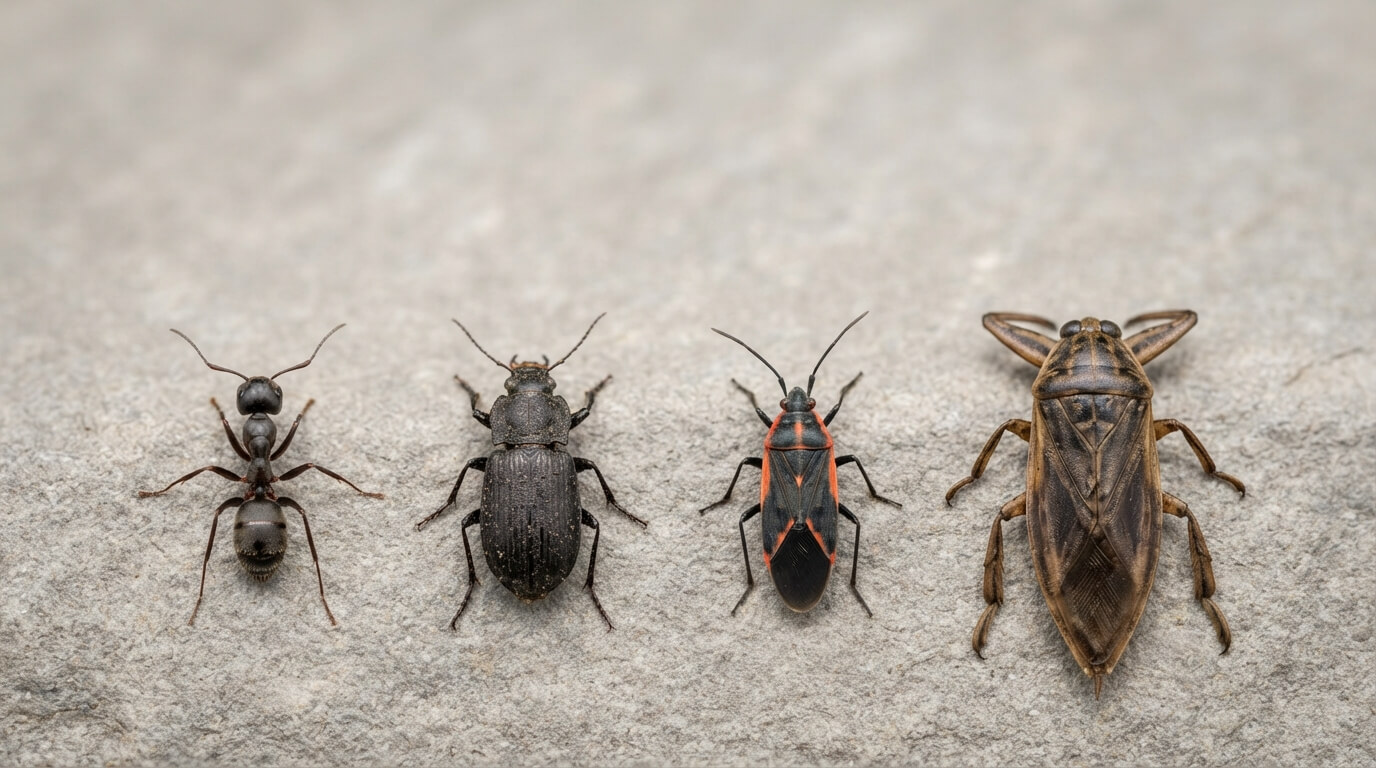
Several cockroach species can occur in buildings, and accurate identification matters because species differ in appearance, behaviour, and preferred environments.
The German cockroach is one of the common indoor cockroach species identified by Toronto Public Health. It is relatively small and can be recognized by two dark parallel stripes behind the head. Toronto Public Health also lists American, Oriental, and brown-banded cockroaches among species found in structures.
What does a German cockroach look like?
German cockroaches are relatively small, light brown to tan insects with two dark parallel stripes on the area behind the head. They are commonly associated with kitchens and other warm areas where food and moisture are available.
What about larger cockroaches?
American cockroaches are considerably larger and reddish-brown, while Oriental cockroaches are darker and can appear almost black. These differences can help with identification, but a photograph or professional inspection may be necessary for a confident species determination.
Understanding the species can make cockroach exterminator Toronto services more targeted because the treatment approach should reflect the insect’s behaviour and the conditions supporting the infestation.
What are the signs of a cockroach infestation?
The most useful signs include live or dead cockroaches, droppings, egg cases, shed skins, and repeated sightings in the same areas.
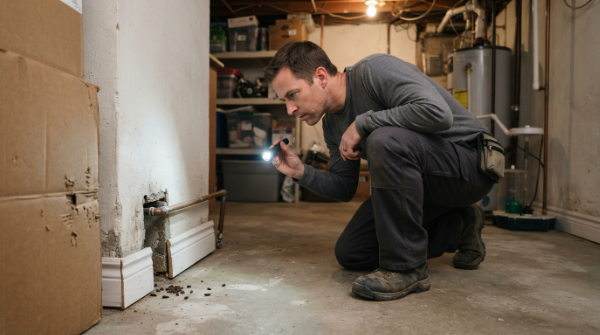
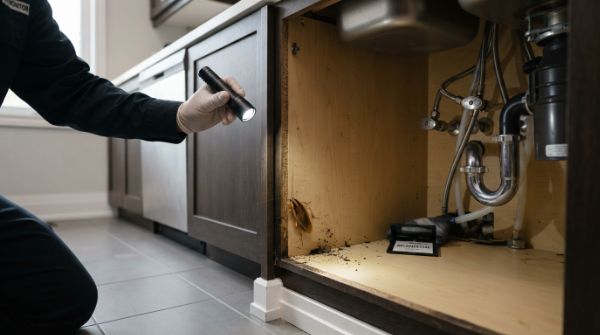
Look for evidence in places such as:
- Under sinks and around plumbing
- Kitchen cabinets and cupboards
- Behind refrigerators and stoves
- Around garbage containers
- Near appliances
- Cracks and crevices
- Cardboard storage areas
Toronto Public Health notes that cockroaches are mainly nocturnal. Seeing them during the daytime can occur when an infestation is heavy, when the insects have been disturbed, or after pest-control treatment.
A single daytime sighting does not prove the infestation is severe, so it is better to consider several signs together.
Why do cockroaches enter homes in Toronto?
Cockroaches need access to food, water, shelter, and suitable indoor conditions. A clean home can still experience cockroach activity because insects may enter through openings, move through plumbing or building spaces, or arrive in packages and other materials.
Toronto Public Health notes that cockroaches are commonly found near water pipes, kitchen areas, garbage containers, appliances, cracks, and crevices.
Common factors that can support cockroach activity include:
- Food crumbs and spills
- Unsealed food
- Accessible garbage
- Leaking pipes or standing water
- Clutter and hiding spaces
- Gaps around plumbing or building components
- Cardboard and stored materials
This is why blaming an infestation solely on cleanliness is misleading. Building conditions and access to food and water also matter.
How can you prevent cockroaches in your home?
Cockroach prevention starts by reducing food, water, shelter, and entry opportunities.
Useful measures include:
- Store food in sealed containers.
- Clean crumbs and spills promptly.
- Keep garbage in closed containers.
- Fix leaking pipes and other moisture problems.
- Clean behind and underneath appliances where practical.
- Reduce unnecessary clutter.
- Seal cracks and openings around cabinets, walls, baseboards, and plumbing.
- Check items brought into the home for signs of insects.
The CDC also recommends removing food and water sources, storing food securely, keeping garbage closed, and sealing cracks and openings as part of cockroach control. CDC – Controlling Asthma and Cockroach Triggers
Prevention is particularly important after treatment because favourable conditions can allow cockroach activity to continue.
Can cockroaches affect indoor health?
Cockroach debris and allergens can be a concern for people who are sensitive to them, including some people with asthma.
The CDC identifies cockroaches and their allergens as potential asthma triggers and recommends reducing exposure by controlling food and water sources, cleaning areas where cockroaches may occur, and sealing openings.
This does not mean every cockroach encounter will cause illness. The practical concern is persistent exposure in an affected indoor environment, particularly for people who are sensitive to cockroach allergens.
When should you contact a cockroach exterminator in Toronto?
Professional assistance becomes more appropriate when cockroach activity is repeated, widespread, difficult to locate, or persists despite reasonable sanitation and exclusion measures.
Consider professional inspection when you notice:
- Repeated live cockroaches
- Activity in several rooms
- Egg cases or substantial droppings
- Cockroaches returning after attempted control
- Activity in difficult-to-access areas
- An infestation in a food-related or commercial environment
A professional assessment can help determine the species, extent of activity, harbourage areas, and appropriate control approach.
For residents who need assistance, Ultimate Pest Solutions provides pest control services in Toronto that can be considered when cockroach activity requires professional attention.
Is professional cockroach treatment better than spraying yourself?
Professional treatment can be more effective than repeated general spraying when the infestation involves hidden harbourage areas or requires coordinated control measures.
Spraying visible cockroaches may kill individual insects without addressing egg cases, harbourage areas, moisture, food access, or routes through which cockroaches move.
Toronto Public Health advises careful use of insecticides and notes that products should be used according to their labels, with attention to food areas, ventilation, children, and pets.
For that reason, treatment should be based on the actual infestation rather than applying more pesticide simply because cockroaches have been seen.
What should you do after cockroach treatment?
Post-treatment prevention helps reduce the chance of continued activity.
After treatment:
- Follow the pest professional’s instructions.
- Keep food stored securely.
- Clean crumbs and spills.
- Address leaks or excess moisture.
- Keep clutter under control.
- Avoid disturbing treated areas unless instructed.
- Continue monitoring for signs of activity.
Cockroach control works best when treatment and prevention are combined rather than treating the infestation as a one-time spraying problem.
Frequently Asked Questions
How do I know whether I have a cockroach infestation?
Repeated sightings, droppings, egg cases, shed skins, and cockroaches appearing in multiple areas can indicate an infestation. One isolated sighting is not enough to determine the size of a problem.
What is the most common cockroach found in Toronto?
Toronto Public Health identifies the German cockroach as a common cockroach species found in structures, along with American, Oriental, and brown-banded cockroaches.
Can cockroaches enter a clean home?
Yes. Cockroaches can enter buildings through gaps and openings or arrive with materials and belongings. Cleanliness helps reduce food sources, but it does not completely eliminate the possibility of cockroach entry.
Should I spray a cockroach when I see one?
Not necessarily. Killing one visible cockroach may not address the underlying problem. Identification, monitoring, sanitation, exclusion, and targeted treatment are generally more useful than relying only on repeated surface spraying.
How long does cockroach control take?
The timeline varies according to the species, infestation level, harbourage conditions, building type, and treatment method. Some infestations require follow-up monitoring or additional treatment rather than a single visit.
Final Conclusion
Cockroach control in Toronto is most effective when it addresses the whole infestation rather than only the cockroaches you can see. Identifying the species, locating harbourage areas, reducing food and moisture sources, sealing entry points, and using appropriate treatment can all contribute to better control.
If cockroach sightings continue despite prevention measures, a professional inspection can help determine the source and the most appropriate next step. The goal is not simply to kill visible cockroaches; it is to reduce the conditions that allow the infestation to survive and return.