Finding spiders inside or around your home can be unsettling, but most spiders in Ontario are harmless and play an important role in controlling other insects. The majority of household spiders prefer avoiding humans and only enter homes searching for food, shelter, or protection from changing weather conditions.
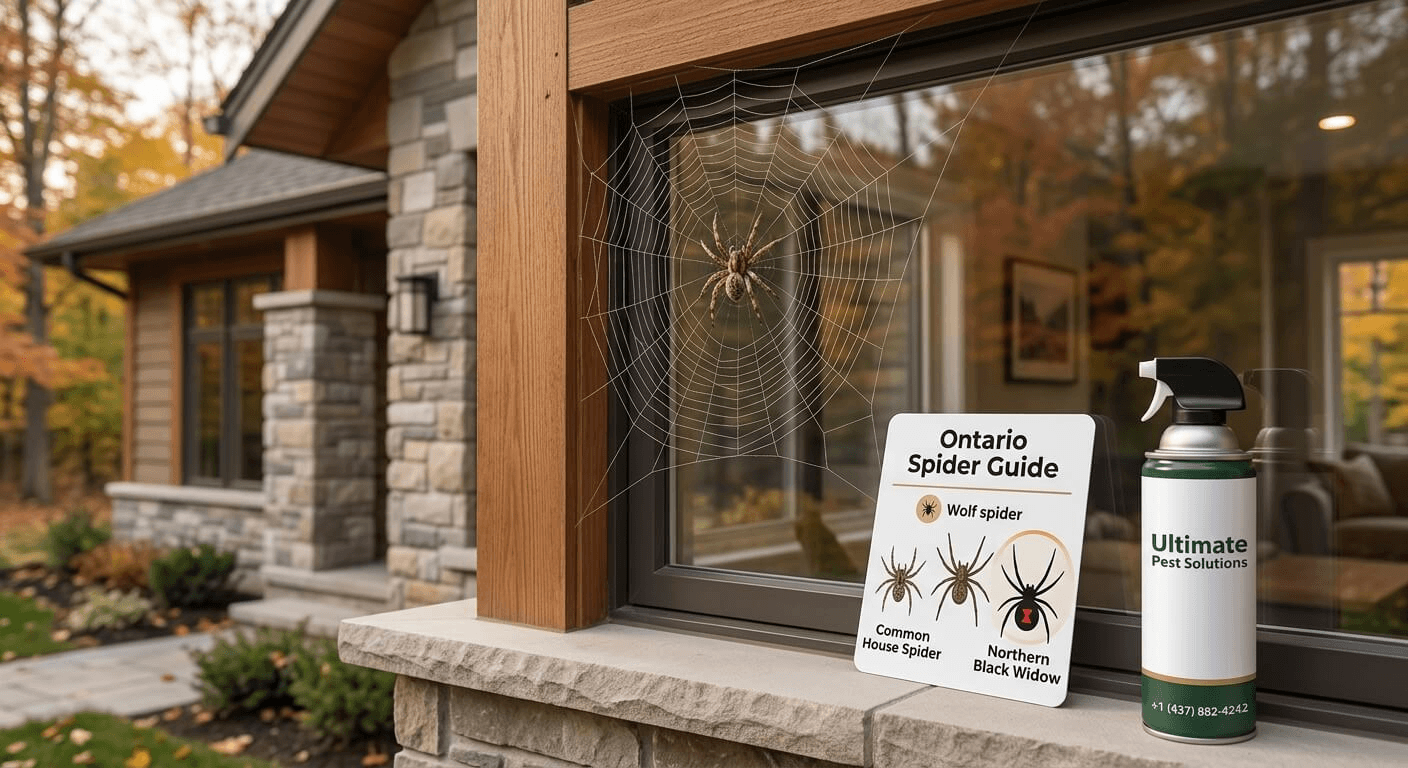
Ontario has many different spider species, including common house spiders, cellar spiders, wolf spiders, jumping spiders, and the rarely encountered Northern Black Widow. Understanding the different types of spiders, how to identify them, and when professional help is needed can help homeowners manage spider activity effectively.
Most spiders in Ontario are not dangerous, but recurring spider sightings, heavy web buildup, or concerns about specific species may require professional spider control and prevention solutions.
What Are the Most Common Spiders in Ontario?
The most common spiders in Ontario homes are house spiders, cellar spiders, wolf spiders, and jumping spiders. These species typically enter homes because they find suitable hiding areas, warmth, and access to insects they feed on.
Spiders are predators, meaning their presence often indicates that other small insects are available as a food source. A home with frequent spider activity may also have conditions that attract flies, moths, mosquitoes, or other pests.
Common House Spider
The Common House Spider (Parasteatoda tepidariorum) is one of the most frequently seen indoor spiders in Ontario homes.
These spiders usually build messy, tangled webs in quiet areas such as:
- Basement corners
- Window frames
- Garages
- Closets
- Storage spaces
They are not aggressive and rarely interact with people. While they can become annoying when webs appear repeatedly, they generally do not represent a health risk.
Cellar Spiders
Cellar spiders, part of the Pholcidae family, are commonly found in basements, crawl spaces, and dark corners of homes.
They are recognized by:
- Extremely long, thin legs
- Small bodies
- Loose hanging webs
Many homeowners mistake their appearance for dangerous spiders, but cellar spiders are harmless and prefer staying away from human activity.
Wolf Spiders
Wolf spiders belong to the Lycosidae family and are among the larger spiders found in Ontario.
Unlike web-building spiders, wolf spiders actively hunt their prey. They may enter homes through cracks, doors, garages, and basement openings, especially during cooler seasons.
Although their size can make them alarming, wolf spiders are not considered aggressive toward humans and usually bite only when directly handled.
Jumping Spiders
Jumping spiders from the Salticidae family are small, active spiders known for their excellent vision and ability to jump when moving or hunting.
They are commonly found:
- Around windows
- On walls
- In gardens
- Near outdoor structures
Their quick movements can surprise homeowners, but they are harmless and often help reduce insect populations.
What Types of Spiders Are Found in Ontario Homes?
Ontario is home to hundreds of spider species, but only a small number regularly appear inside residential properties.
The most common indoor spiders include:
| Spider Type | Common Location | Risk Level |
| Common House Spider | Corners, basements, windows | Low |
| Cellar Spider | Basements, storage areas | Low |
| Wolf Spider | Floors, garages, entrances | Low |
| Jumping Spider | Walls, windows, gardens | Low |
| Northern Black Widow | Rare, secluded areas | Requires caution |
Most indoor spiders are simply looking for shelter or food. They usually become noticeable when insect activity increases or when outdoor conditions force them indoors.
What Are the Big Spiders in Ontario?
Large spiders often attract the most attention because their size makes them appear threatening. However, a large spider is not automatically a dangerous spider.
Some of the larger spiders found in Ontario include:
- Wolf spiders
- Fishing spiders
- Nursery web spiders
- Large wandering house spiders
Wolf spiders are among the most commonly noticed large spiders because they move quickly across floors, garages, and outdoor areas.
Homeowners often find larger spiders during:
- Late summer
- Early fall
- Weather changes
- Mating season
In many cases, these spiders are temporary visitors rather than signs of a serious infestation.
Are Black Spiders in Ontario Dangerous?
Not all black spiders in Ontario are dangerous. Many harmless species have dark coloring, which can make identification difficult for homeowners.
The spider that receives the most concern is the Northern Black Widow Spider (Latrodectus variolus).
How to Identify a Northern Black Widow
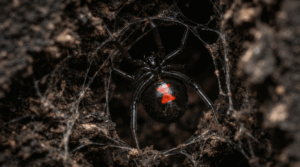
A Northern Black Widow typically has:
- A shiny black body
- A red hourglass marking underneath the abdomen
- A preference for quiet, protected locations
They usually avoid human contact and prefer areas such as:
- Wood piles
- Sheds
- Garages
- Outdoor storage areas
Because identification can be difficult, homeowners should avoid handling unfamiliar spiders, especially if they believe it may be a black widow.
Why Do Spiders Enter Ontario Homes?
Spiders usually enter homes because they are searching for food, shelter, or protection from outdoor conditions.
Common reasons include:
Insect Activity
Spiders follow their food source. Homes with increased activity from:
- Flies
- Moths
- Mosquitoes
- Other insects
may naturally attract more spiders.
Seasonal Changes
During colder months, spiders may move indoors seeking warmer and more stable environments.
Entry Points
Small openings can provide access, including:
- Cracks around foundations
- Gaps around windows
- Door openings
- Utility entry points
Shelter and Clutter
Dark, undisturbed areas provide ideal hiding locations.
Common problem areas include:
- Basements
- Garages
- Storage rooms
- Sheds
How Can Homeowners Prevent Spiders in Ontario?
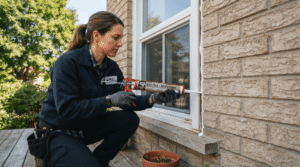
Reducing spider activity starts with making your property less attractive to spiders and the insects they feed on.
Effective prevention methods include:
Seal Entry Points
Inspect and seal:
- Door gaps
- Window openings
- Foundation cracks
- Utility openings
This reduces access for spiders and other pests.
Reduce Clutter
Remove unnecessary storage materials from:
- Basements
- Garages
- Sheds
Less clutter means fewer hiding places.
Control Other Insects
Since spiders depend on prey, reducing insect activity can naturally reduce spider presence.
Helpful steps include:
- Managing outdoor lighting
- Removing standing water
- Keeping areas clean
- Maintaining screens on windows
Remove Webs Regularly
Cleaning webs can reduce visible spider activity, although it may not solve the underlying cause if insects and entry points remain.
Other Pest Concerns: Ant Control Toronto
Ants and spiders are frequently linked through a shared food chain. When insect activity increases in or around a property, spiders are often drawn to the area in search of a reliable food source. Managing ant activity in kitchens, wall cracks, basements, and outdoor spaces can significantly reduce the likelihood of spider infestations as well.
If your Toronto property is experiencing recurring ant activity alongside spider sightings, professional Ant Control Toronto services can help address the current pest issue at its source while preventing future infestations.
When Should You Call Professional Spider Control Services?
Professional spider control is recommended when spider activity becomes frequent, difficult to manage, or creates concern about possible dangerous species.
Consider professional help if you notice:
- Spider webs returning quickly after removal
- Multiple spiders throughout your home
- Egg sacs in hidden areas
- Increased spider activity around entrances
- Unknown spider species
- Recurring seasonal spider problems
Professional pest control focuses on more than removing visible spiders. A complete approach identifies entry points, reduces insect attractants, removes existing activity, and helps prevent future problems.
Frequently Asked Questions
Are Canadian house spiders poisonous?
Canadian house spiders do technically carry venom to paralyze small insects, but they are not dangerous to humans. Their bite is extremely mild, and their tiny fangs usually cannot even pierce human skin. Unless you encounter a rare Northern Black Widow, the spiders in your home pose zero health risk and actually help control other pests.
Are big spiders in Ontario dangerous?
Most large spiders in Ontario, including wolf spiders, are not dangerous to humans. Their size can make them intimidating, but they usually avoid people.
Are house spiders common in Ontario homes?
Yes. House spiders are among the most frequently found indoor spiders in Ontario and typically live in quiet areas such as basements, corners, and storage spaces.
What black spiders are found in Ontario?
Ontario has several dark-colored spider species. The Northern Black Widow is the most notable black spider because it can deliver a medically significant bite, although encounters are rare.
When should I contact a spider control professional?
You should consider professional spider control when spiders continue returning, webs increase, egg sacs appear, or you cannot confidently identify the spider species.
Conclusion
Most spiders in Ontario are harmless creatures that help control other insects around homes and properties. Common species such as house spiders, cellar spiders, wolf spiders, and jumping spiders usually do not pose a threat.
However, recurring spider activity, heavy web buildup, or concerns about species identification should not be ignored. Effective spider management involves understanding why spiders enter homes, reducing insect sources, preventing entry points, and using professional solutions when necessary.
If spiders continue appearing despite prevention efforts, contacting a professional pest control provider can help identify the cause and create a long-term solution for your home.
Ready to Free Your Home From Spiders? Don’t let recurring webs and unwanted spiders take over your living space. Contact Ultimate Pest Solutions today for fast, safe, and effective spider control across Toronto and the GTA. 📞 Call us now at +1 (437) 882-4242 or Schedule Your Inspection Online to protect your home today!